

Mom passed away six months ago, on Thanksgiving weekend in 2025.
She had been to the ER many times in the previous couple of years, whether for falls, pain, or other complications. Each time, her problems were diagnosed, care was provided, and a path forward was prescribed. So when I showed up at the hospital on Saturday, November 30, I assumed this visit would be like the others.
Just a few hours later, when a nurse leaned over and asked me, “Does she have a DNR?” I realized this visit was different. (A DNR is a do-not-resuscitate order; it is a document that allows a person to choose not to receive life-saving measures in certain situations.)
Then, a few hours after that, when a nurse began doing chest compressions while straddled over Mom, I had to make the decision to cease further medical intervention.
Three times that night she experienced episodes, each more difficult than the last, that tested my wisdom, maturity, and love. I tell people that I feel like it took me 50 years to have the wisdom to make the decisions I made that night. I am not sure I would have been wise enough to ask the right questions or make the right decisions 30 years earlier.
My brother and I loved Mom, and I know she deeply loved us. She cared for us like only a mother could. I miss her, and I miss that she wanted to be around us. As moms go, you really could not ask for much more. My brother and I put together an obituary for her. I hope it did a decent job of conveying how much we loved her.
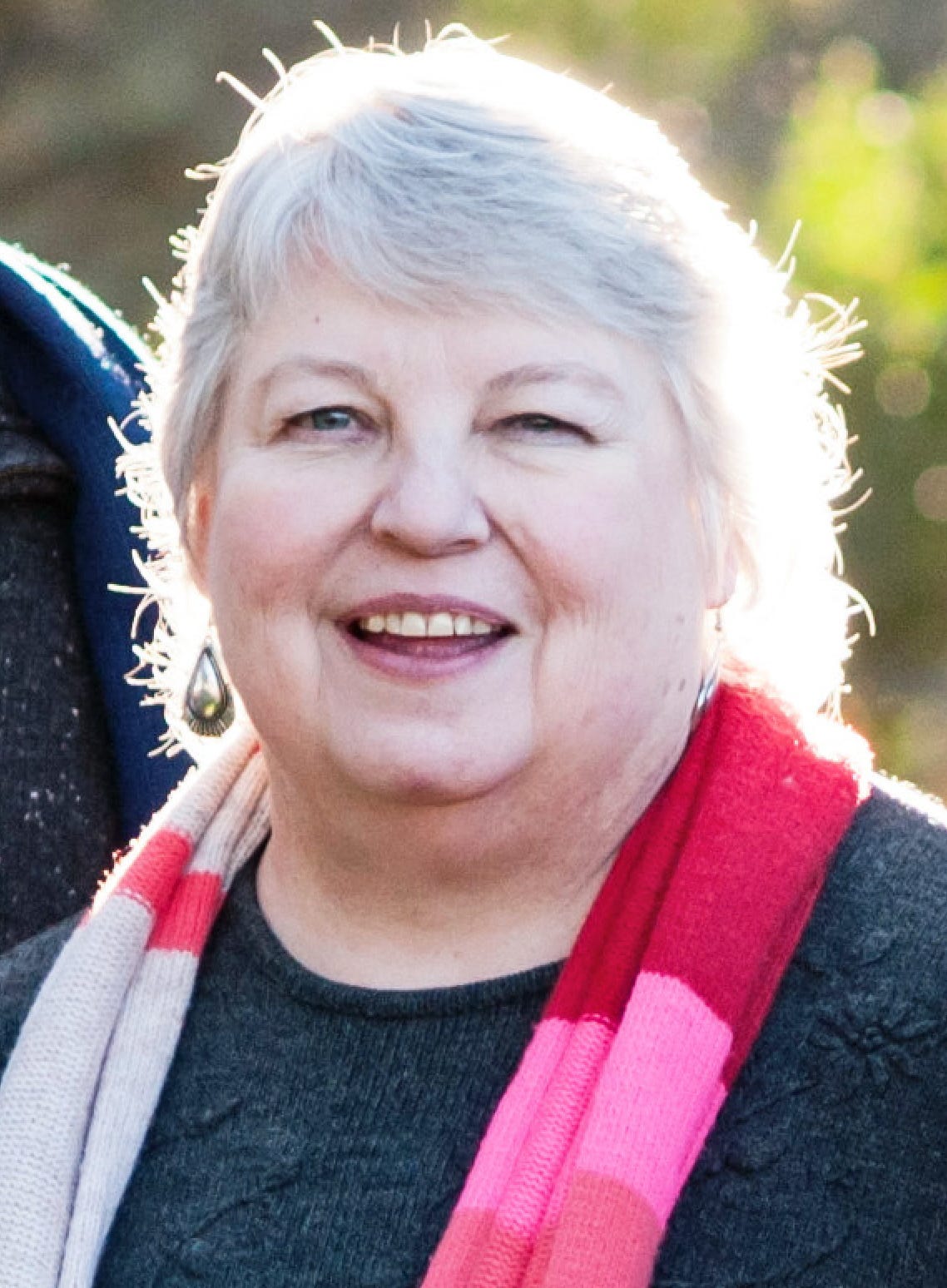
This is a series of reflections on the years leading up to her passing, the final hours of her life, and the things I learned while caring for an aging parent.
It started as a therapeutic exercise—simply writing down what her final hours entailed. Then it expanded into the last couple of months, then the last couple of years. Along the way, I realized there were lessons throughout that might help others who are going through, or will one day go through, similar situations. Eventually, it became an twelve-chapter document.
Why I wrote this
I’ve titled this series Reflections on Caring for an Aging Parent. Most of us have lost or will lose a parent sooner or later. Sometimes it’s unexpected and fast; other times it stretches for years and requires incredible sacrifice to care for a sick or elderly family member. Both are difficult in their own ways. In this vein, my purpose in these posts is to share lessons learned from our experience. The topics include hoarding (what to do if you are a hoarder, and what to do if you have a family member who is one), aging and medical care, important documents, finding a place to live, finances, dealing with someone else’s stuff, re-homing a pet, and a good deal of personal reflection on the passing of Mom.
I understand that there are differences in every life and death. You may have had a different experience or learned a different lesson. If you feel like sharing that in the comments section for others, feel free to do so. If you don’t, that’s fine too. I know how personal and private those experiences can feel.
Years ago, a pregnancy book was published with the title What to Expect When You’re Expecting. If I were to come up with another title for this series, it might be something similar, but from the other end of the bookshelf: What to Expect When You’re Expecting…to Die. I am not trying to be glib here. I have simply found that a little levity is necessary during hard times. In the way that the original What to Expect book was informative, I hope this writing is as well, because this writing isn’t just about caring for a loved one, it’s also about what we each need to be doing to prepare for our own death. And, let’s face it, each of us is going to die, so we should be prepared for it.
Thus, I think of the audience for these reflections through two overlapping lenses: time and relationship.
Time
Some readers are not in this season yet. I hope you tuck a few of these lessons away for future use.
Some readers are in the middle of this right now. I hope something here helps you navigate the road you’re walking.
Some readers have already walked this road. My hope for you is shared solace. You are not the only one. It was hard. Thank you for what you did.
Audience
Those dealing with aging parents.
Hoarders, or family and friends of a hoarder.
Those dealing with medical, housing, or financial challenges related to aging.
Those serving as caregiver, power of attorney, or executor.
Those facing end-of-life decisions for a loved one.
Those wanting to prepare now for the practical realities of aging, decline, and death.
I hope you find some useful nuggets in here, whether for now or later. I also hope the narrative keeps you engaged. If it doesn’t, feel free to skip ahead to the “Advice” section in each chapter.
Credit for much of this content, either directly or indirectly, also goes to friends and family who have volunteered in hospice and cared for aging relatives. Throughout the many decisions we had to make, people were there to serve as sounding boards and offer advice. We are grateful for their wisdom.
Caveats
Let me make a few caveats up front.
First, I am not an estate planner, certified financial planner, attorney, doctor, nurse, or therapist, so the lessons I offer here come simply from experience in my situation with my Mom. I strongly recommend meeting with appropriate professionals to discuss your own situation.
Second, I am going to air some dirty laundry about Mom. I do this not to disparage her; my brother and I loved Mom deeply. I do this to connect with those of you facing similar circumstances. We are all adults here. We can acknowledge that people have faults and still have virtues. We can be lovable at times and a pain in the rear at times.
If you are in any doubt about how I felt about Mom, know this: she had shortcomings, but our family loved her deeply. That is how love works. People are not always easy to be with (my wife tells me this). Love means working through difficulty. We would not have done the things we did to help her if we had not loved her.
Third, you may read some of this and think that we should have done certain things differently. You are probably right. You may have had experience or insight we did not have. We were simply trying to make the best decisions we could, one step at a time. We sought counsel from friends, family, and professionals, and then we moved forward.
Below is what we’ll be covering over the next few months. I’ll post one new chapter each week. Chapter 1 is available now; to read it, click the link below.
Chapter 6 - Managing Finances
Chapter 7 - Managing Tasks and People
Chapter 8 - The Purge
Chapter 9 - Finding a Place for Puppy
Chapter 10 - Life in Assisted Living
Chapter 11 - Her Final Hours
Chapter 12 - Afterwards
Final Reflections