First, here are three very different and impacting pieces for the recent graduates out there. I won’t even summarize the first one, you’ll just have to watch it.
1. Eric Church Commencement Address at UNC
2. Jonathan Haidt Commencement address at NYU (Atlantic)
Here’s just one snippet from his speech that I thought was great: “So how should you live these next postgraduate years, these years of transition? By repeatedly turning your attention toward doing hard things… And I’m not just talking about your career. Devote your precious attention to taking chances in relationships, too.”
3. No One Cares About Your GPA, and More Career Advice for New Grads (WSJ)
Answer your boss’s emails, stop talking about your GPA, and do not assume classroom accommodations will translate neatly into office life. Grades matter less once everyone around you also had good grades, especially in an era of grade inflation and AI-assisted coursework. What matters more is showing reliability, judgment, and the ability to work within real deadlines. Advancement depends on relationships as much as performance. Mentors can give advice, but sponsors are the people who advocate for you when opportunities appear. And while young workers may enter as the office experts on new technology, that status will not last long. Another class of even younger, more AI-native workers is already on the way.
And while we’re talking about education…
Education
4. The Perverse Tyranny of a Perfect Transcript (Atlantic)
Harvard has a grade inflation problem. In 2025, the prize for the graduating senior with the highest GPA ended in a 55-way tie because all of those students had perfect grades. That is hard to square with a grading system where an A is supposed to mean “extraordinary distinction,” especially when flat A’s now make up about two-thirds of all grades. To bring some meaning back to transcripts, a Harvard grading committee has proposed capping flat A’s at roughly one-third of undergraduate grades.
The proposed fix would not cap all A-range grades, only flat A’s. Students could still earn A– grades freely, but the top mark would be reserved for work that is genuinely exceptional. The proposal is controversial, with many students worried it will make college more stressful and competitive. But the argument is simple: grades should mean what colleges say they mean. If everyone gets the mark for extraordinary work, then it no longer marks anything extraordinary at all.
5. Princeton Changes Its 133-Year-Old Honor Code Over AI Cheating Fears (WSJ)
Princeton is ending one of its oldest academic traditions because AI has made cheating feel too easy and too hard to police. Since 1893, students took exams without proctors under an honor code built on trust. Starting this summer, instructors will be present for all in-person exams, after faculty and students raised concerns that cheating had become widespread. It’s not just Princeton. Colleges everywhere are trying to figure out what academic integrity means when students can use AI to write papers, solve problems, or quietly check answers during exams. The fear is that once students believe everyone else is cheating, cheating starts to feel both normal and necessary.
6. The Average Student-Loan Defaulter Is Nearly 40 Years Old (WSJ)
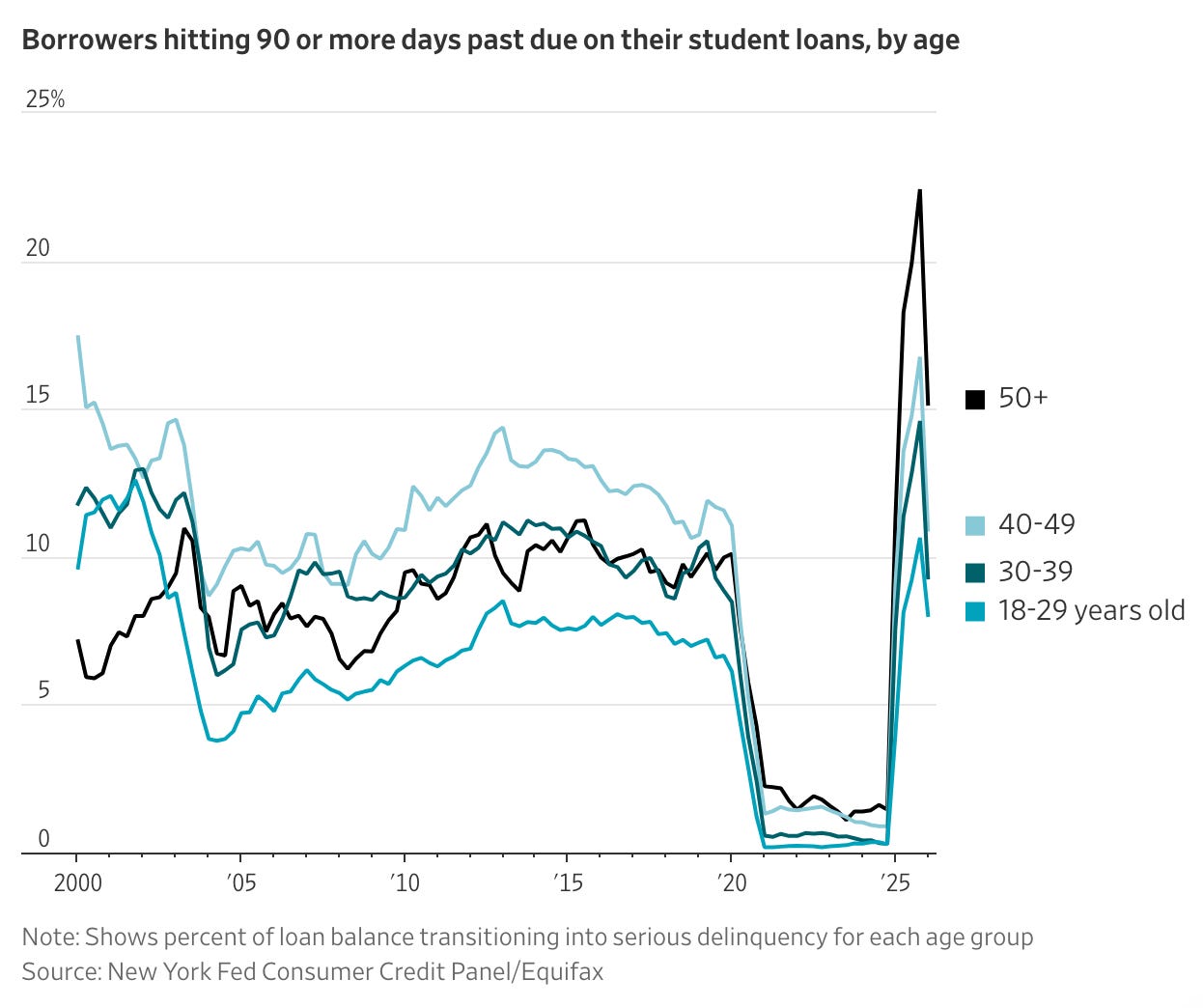
Millions of student-loan borrowers have fallen into default since pandemic-era repayment protections ended, and the typical defaulter is older than before. The New York Fed estimates that more than 3.5 million borrowers defaulted between October and March, with the average defaulted borrower now nearly 40 years old, about 2½ years older than before the pandemic. Borrowers age 50 and older are now at greater risk of default than younger borrowers, and Gen X borrowers carry the highest average student-loan balances.
Many borrowers who defaulted on student loans are also behind on other debts, including auto loans, credit cards, and mortgages. Defaults are occurring nationwide but are more common in the South, and many newly defaulted borrowers were not delinquent before the pandemic. Some are likely parent borrowers who took out loans for their children.
The Trump administration is restructuring the federal student-loan system after the Biden administration focused more on reducing monthly payments and expanding paths toward forgiveness. The end of the SAVE plan and transition to new repayment options, including the Repayment Assistance Plan launching in July, could raise monthly payments for many borrowers. That creates the risk of additional defaults, especially as defaulted borrowers may eventually face wage, tax refund, or Social Security garnishment, though those garnishment plans have been delayed.
7. A Changing Job Market Leans Against Men (WSJ)
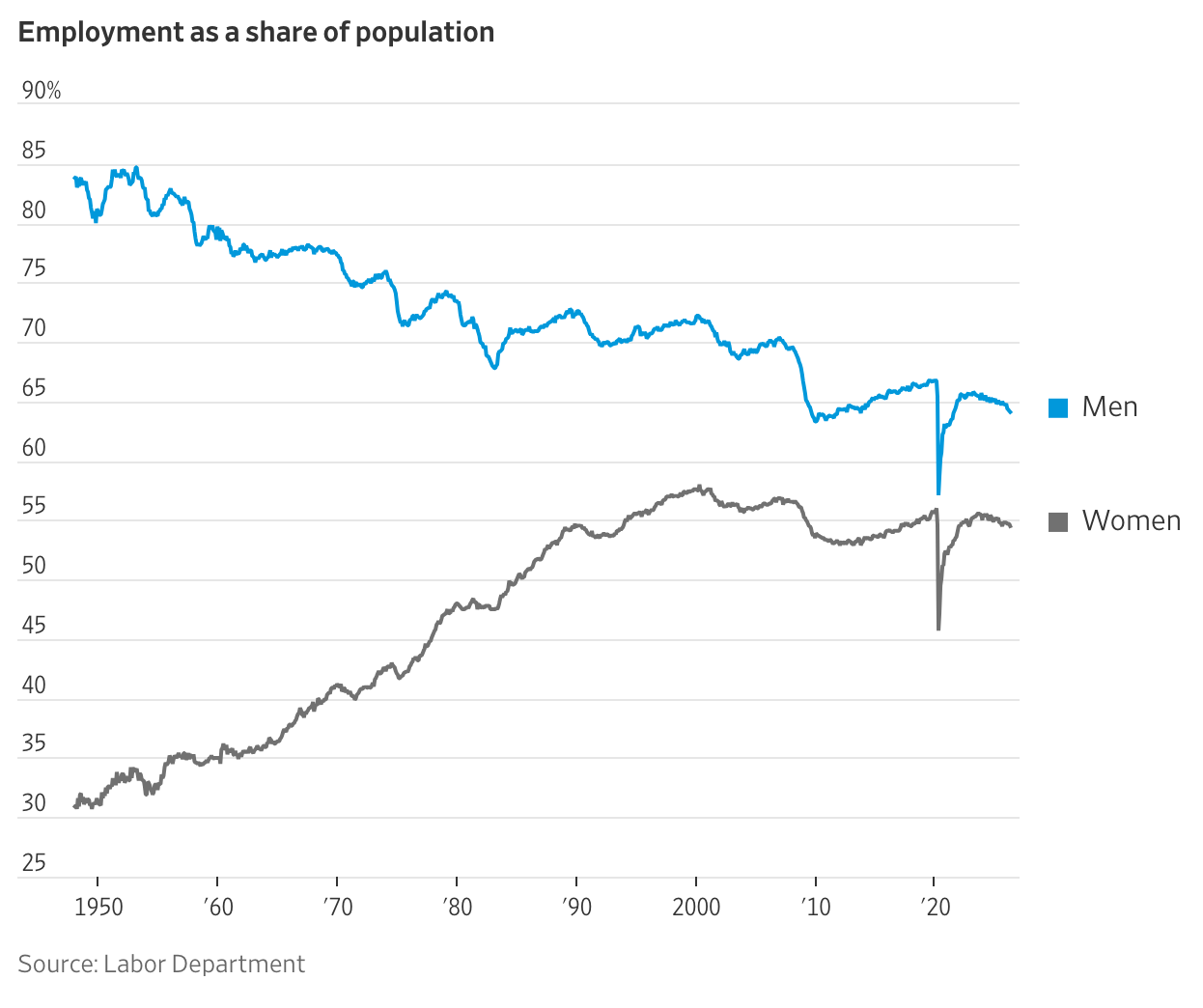
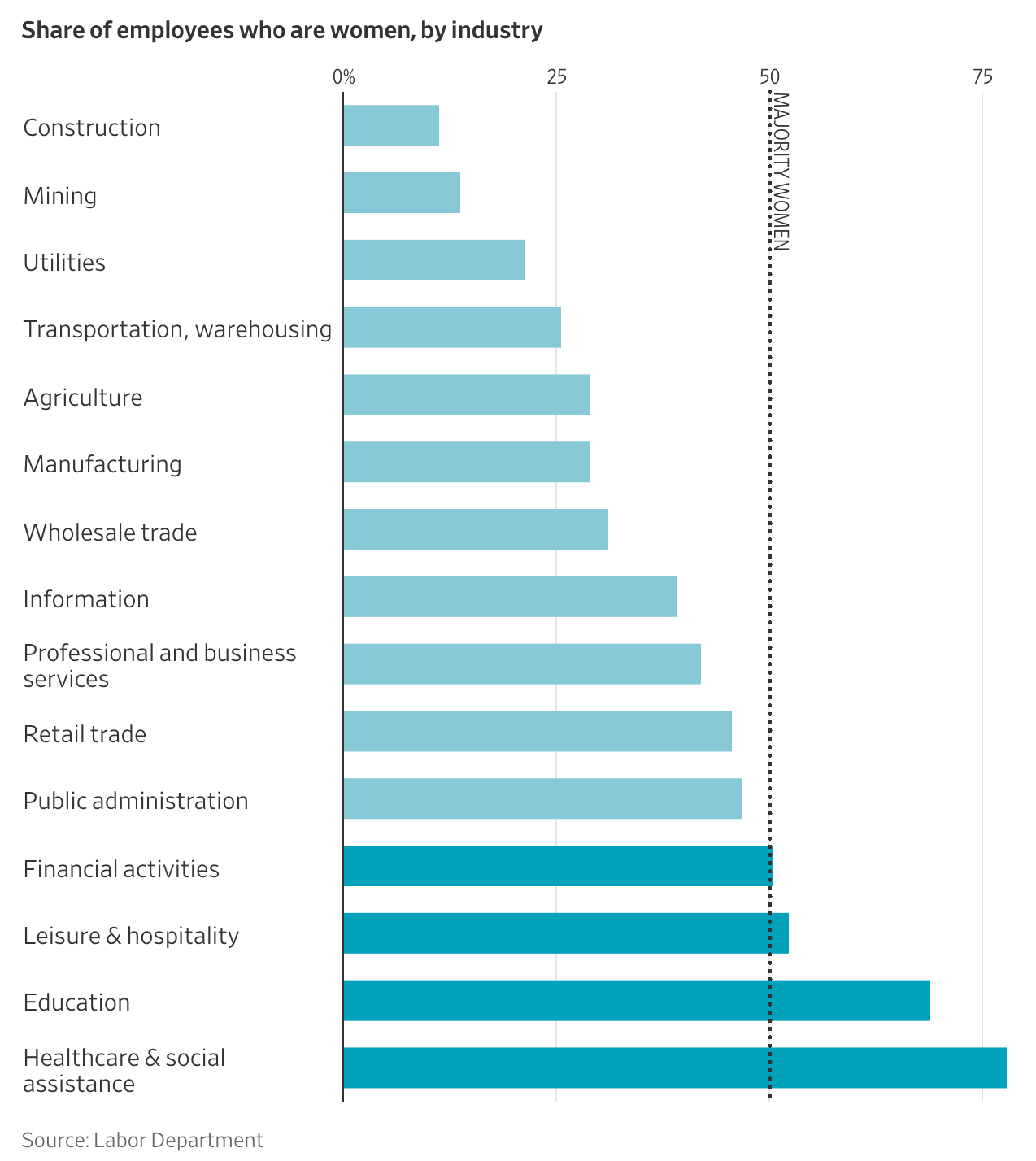
The labor market is increasingly favoring women because recent job growth has been concentrated in healthcare and social assistance, a sector where women outnumber men three to one. Over the past year, that sector added 656,500 jobs; without that gain, the private sector would have lost jobs overall. Meanwhile, male-heavy sectors such as manufacturing, transportation, and warehousing have been losing jobs, partly because of tariffs and weaker manufacturing performance.
Men’s employment-to-population ratio has declined over decades, while women’s has held up better and even strengthened among prime-age workers after the pandemic, helped in part by hybrid work. Since the end of 2024, payroll jobs held by women have increased by 421,000, while jobs held by men have slipped slightly.
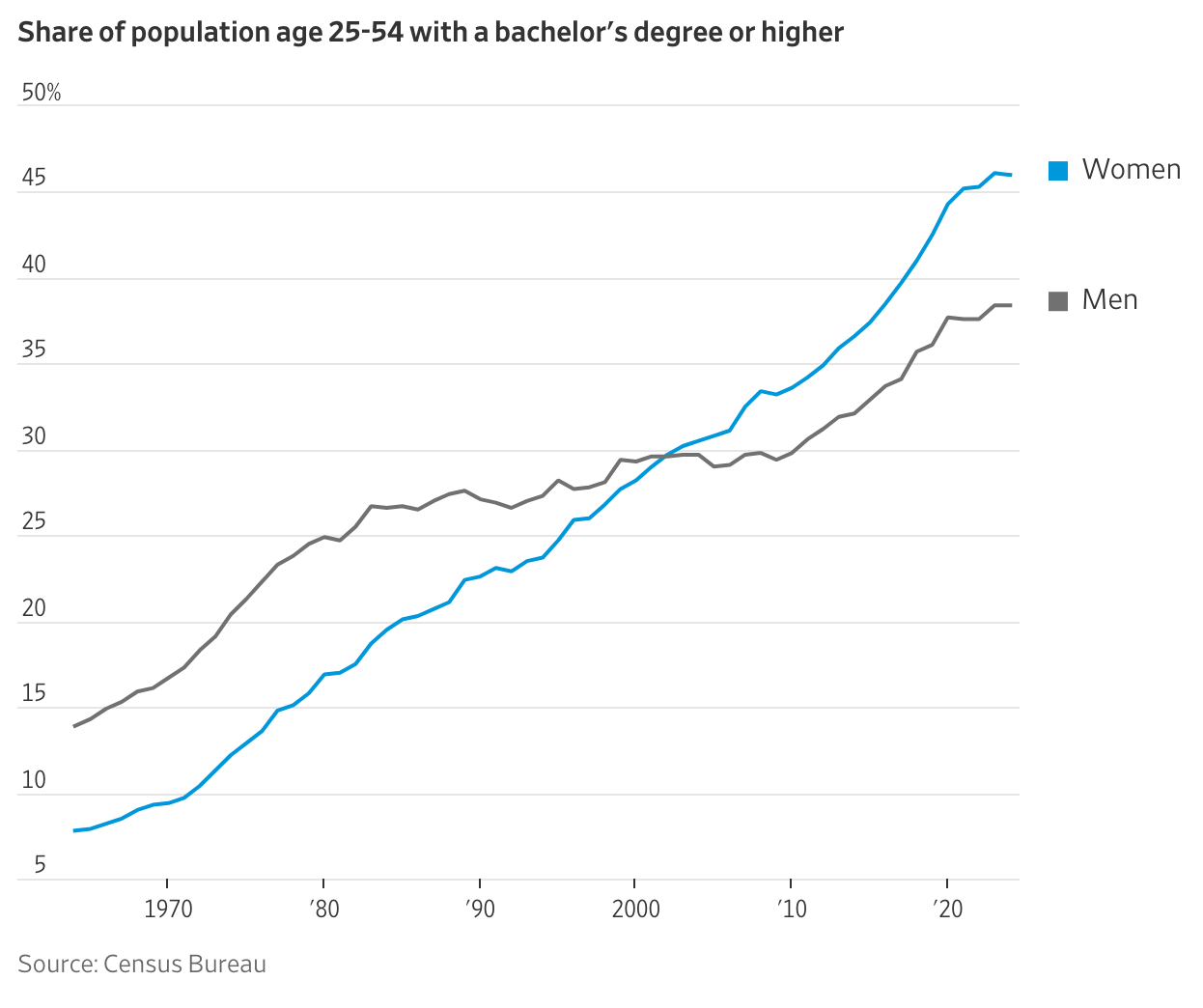
Longer term, the divide may widen because women are earning college degrees at higher rates than men, and college-educated workers have much stronger employment outcomes. Future job growth is also likely to favor healthcare roles, including jobs men have historically avoided or entered only slowly. Some growing occupations, such as dental hygienists, medical assistants, home health aides, and nurses, remain culturally coded as female even when they offer strong pay or stability.
Life
8. High Tech, Low Play: The Life of American Children (IFS)
American children are spending large amounts of time online from very young ages while facing tight restrictions on real-world independence. Even three-year-olds average 4.5 hours per week on internet-connected devices, and by age 17 that rises to nearly 20 hours per week. Device access begins early, with nearly half of three-year-olds using tablets, iPads, or Kindles, while smartphones become the dominant device by age 11 and reach 90% ownership by age 17. Parental controls are often limited, especially on smartphones, where content filters are used by only a minority of parents and decline further among teenagers.
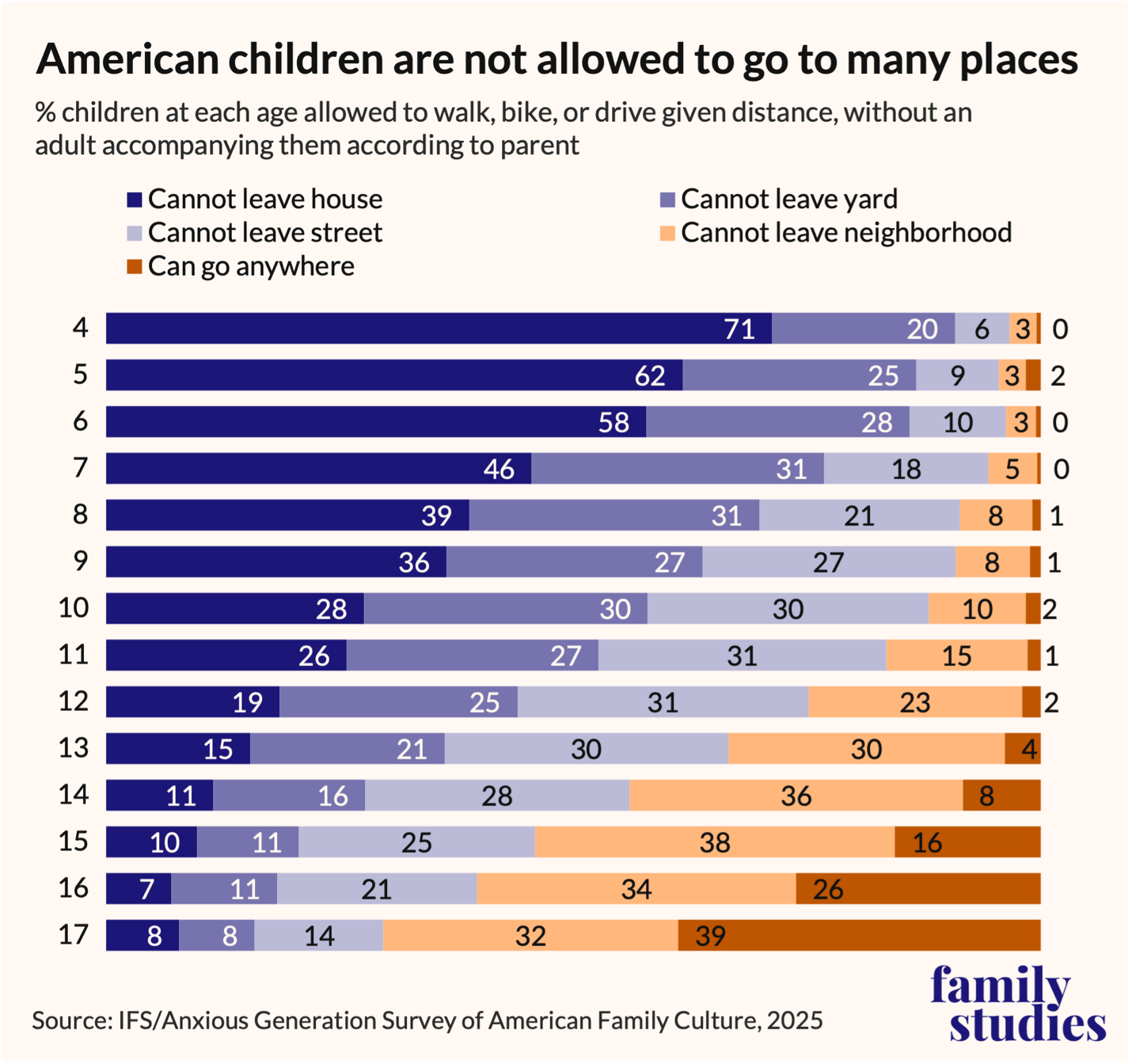
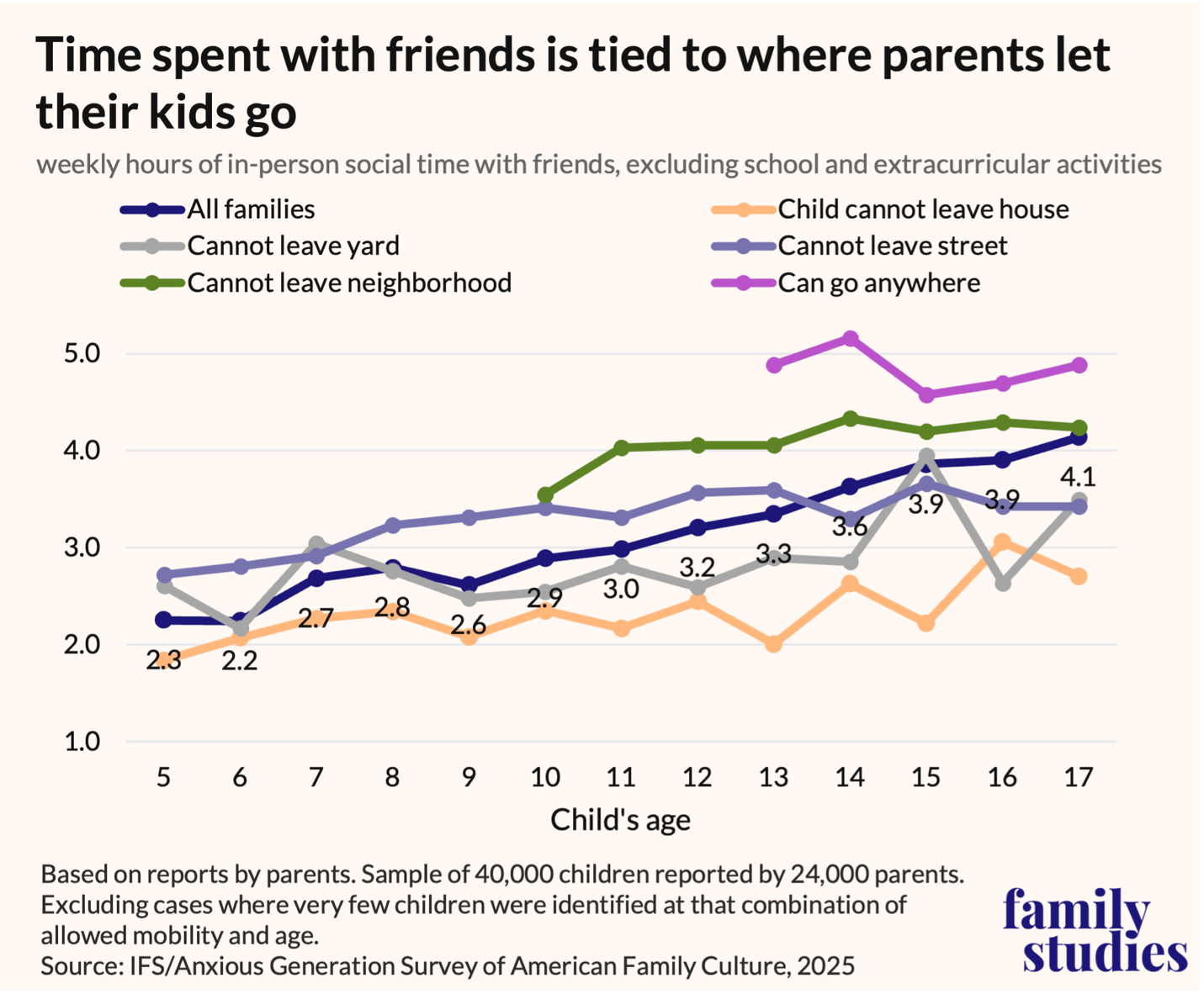
At the same time, children are given relatively little freedom to move around or play outside without adults. By age 14, most children are still not allowed to travel beyond their own street without supervision, and even by age 17, more than 60% are not allowed beyond their neighborhood. Unsupervised outdoor play remains low, averaging only about half an hour per week at age 5 and about 2.4 hours per week by age 17. This limited mobility also affects children’s social lives, since teens who cannot leave home or the yard have only slightly more unsupervised time with friends than much younger children. Social class strongly shapes these patterns. Parents with graduate degrees are more likely to set screen-time limits, require device drop-off rules, delay smartphone access, and support giving children more independence.

9. The Global Fertility Crisis Is Worse Than You Probably Think

Birthrates are falling almost everywhere, and faster than most experts expected. The old story was that rich countries would have fewer children while poorer countries kept growing; however, that no longer holds. Fertility is now below replacement across much of the Americas, Europe, and Asia, and it is dropping quickly in places such as Latin America, North Africa, the Middle East, and even parts of Sub-Saharan Africa. The world may have already passed “peak child,” even though total population will keep rising for a few more decades because of demographic momentum.
Some of the decline can be explained by lower child mortality, better education for women, more contraception, more work opportunities, and greater freedom to decide whether to have children. But the newer collapse below replacement seems harder to explain. Technology, social media, delayed marriage, expensive housing, the shift to service economies, and an “educational arms race” all seem to be pushing people toward fewer children or none at all.
The consequences could end up being enormous. Fewer children may ease pressure on resources and make cities more livable, but very low fertility also threatens pension systems, schools, hospitals, local communities, and national identity. Countries can try to offset decline with immigration, but that brings its own political and cultural tensions. AI and robotics may help soften the economic blow by increasing productivity, but they cannot replace the social fabric that disappears when schools, pubs, neighborhoods, and whole regions empty out.
NOTE: I previously shared a video about South Korea’s future population and cultural demise. I thought this quote from the above article about Japan was intriguing as well:
Japan right now is around 98% ethnically Japanese. If we wanted to keep the population of Japan constant in 200 years through immigration, in 200 years Japan will be 5% Japanese and 95% non-Japanese. This is not about bringing in a few immigrants. This is about changing your country. That country will not be Japan. You may say, “I’m perfectly fine. I’m not attached to the idea of Japan in the abstract.” But I can see a lot of Japanese say, “This is not about being a xenophobe. This is not about being anti-immigrant. This is about not having a country anymore.”
Population decline, and trying to reverse it, is a tricky thing. It takes (depending on the age at which you expect a human to work) about 16 years for a person to become old enough to contribute to the economy. That’s a long delay.
10. California Wants More Babies, So It’s Giving Away 40 Million Diapers (WSJ)
California is trying to make life a little cheaper for new parents by giving every newborn 400 free diapers when they leave the hospital. The state plans to start with 40 million diapers this year, prioritizing mothers on Medicaid, and Gov. Gavin Newsom is asking lawmakers for $12.5 million to expand the program next year. The move is meant to speak directly to affordability, especially as diapers remain a major expense for families with newborns. But it is also a very small answer to a much larger problem. California births are down 20% from a decade ago, and the state’s high cost of housing continues to push middle-class families out.
Newsom has taken steps on affordability through free prekindergarten, expanded Medicaid, insulin pricing efforts, and now diapers. But housing remains the central challenge. Since he took office, the median home price has risen 50%, and the state permitted fewer homes last year than it did in 2018.
11. Strangers Next Door: The Decline of Neighborhood Socializing and the Class Divide in Belonging (AEI)
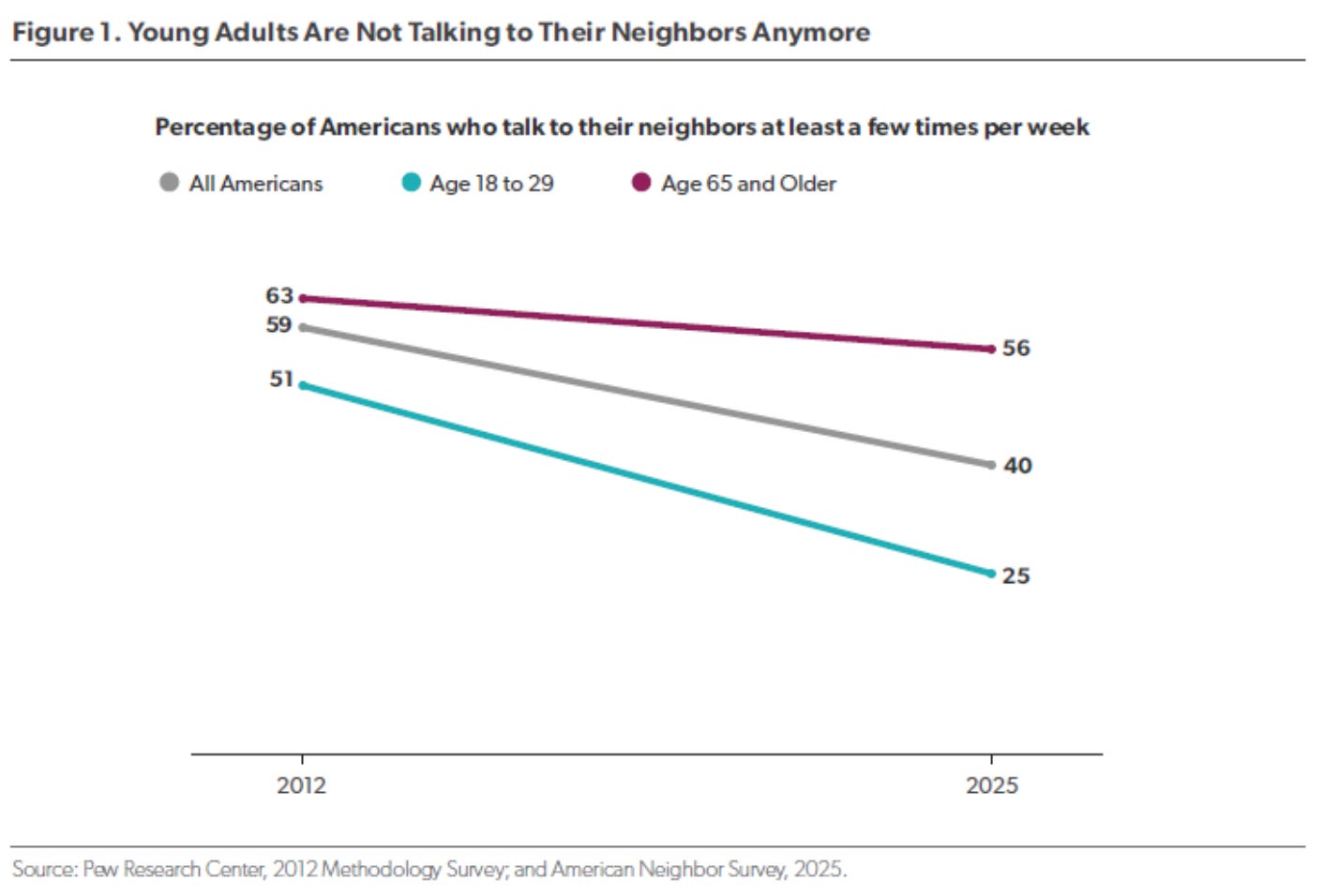
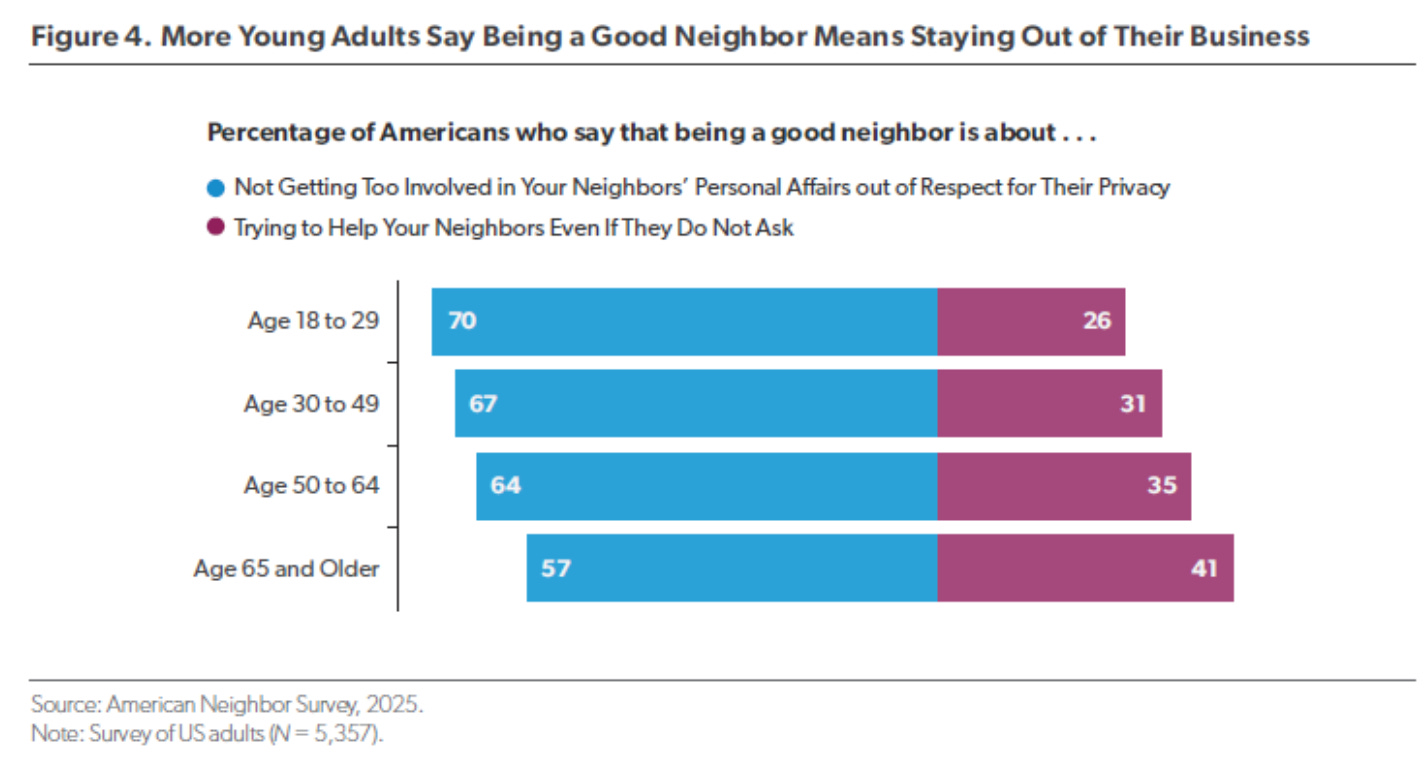
Americans are spending more time at home than they used to, but they are interacting with their neighbors far less. In 2012, nearly six in ten Americans said they talked with neighbors several times a week. Today, only four in ten say the same, and nearly one in five say they do not talk to their neighbors at all. The decline is especially sharp among young adults, many of whom now see being a “good neighbor” less as helping people nearby and more as respecting privacy and keeping distance.
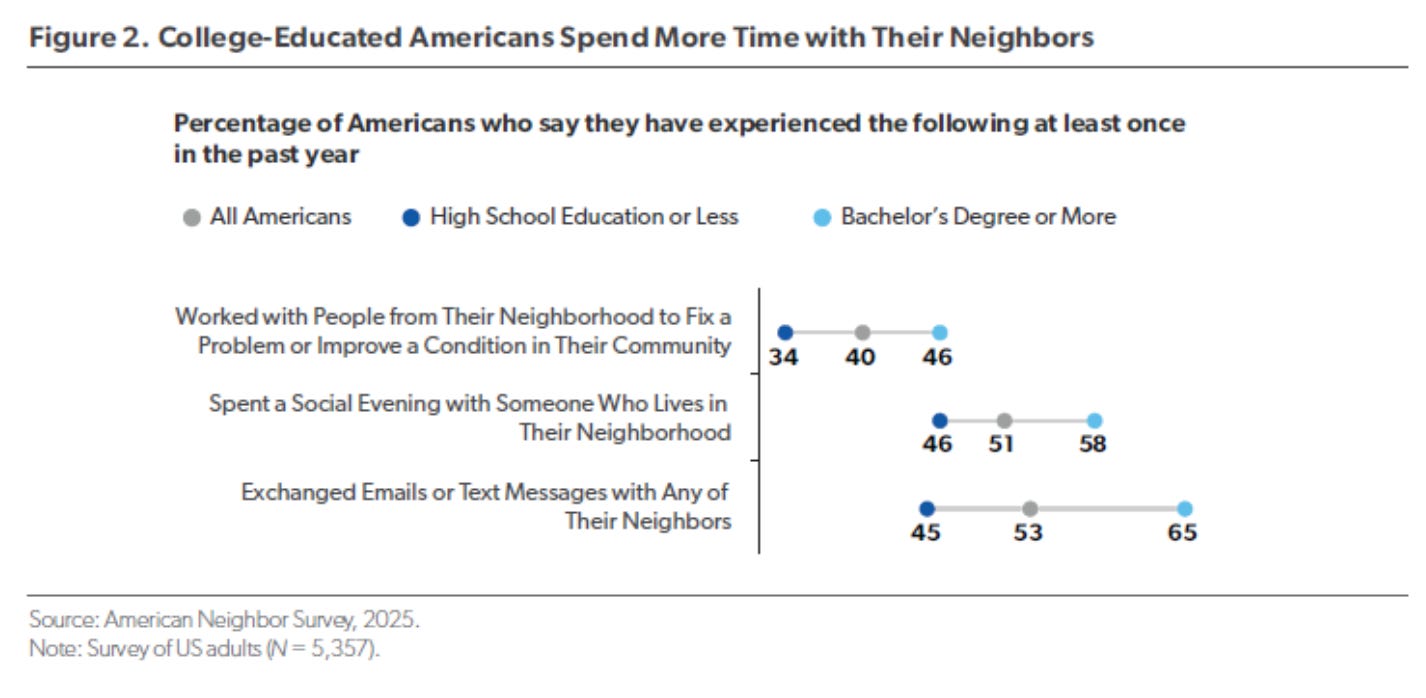
The survey found that neighborhood life increasingly breaks along class and religious lines. College-educated Americans tend to trust their neighbors more, socialize more often, and feel more comfortable asking for help, whether that means borrowing spare keys, getting help moving furniture, or asking someone to watch their children in an emergency. Religious attendance also matters. People who attend religious services regularly are more likely to know their neighbors, spend time with them, and work together on local problems.
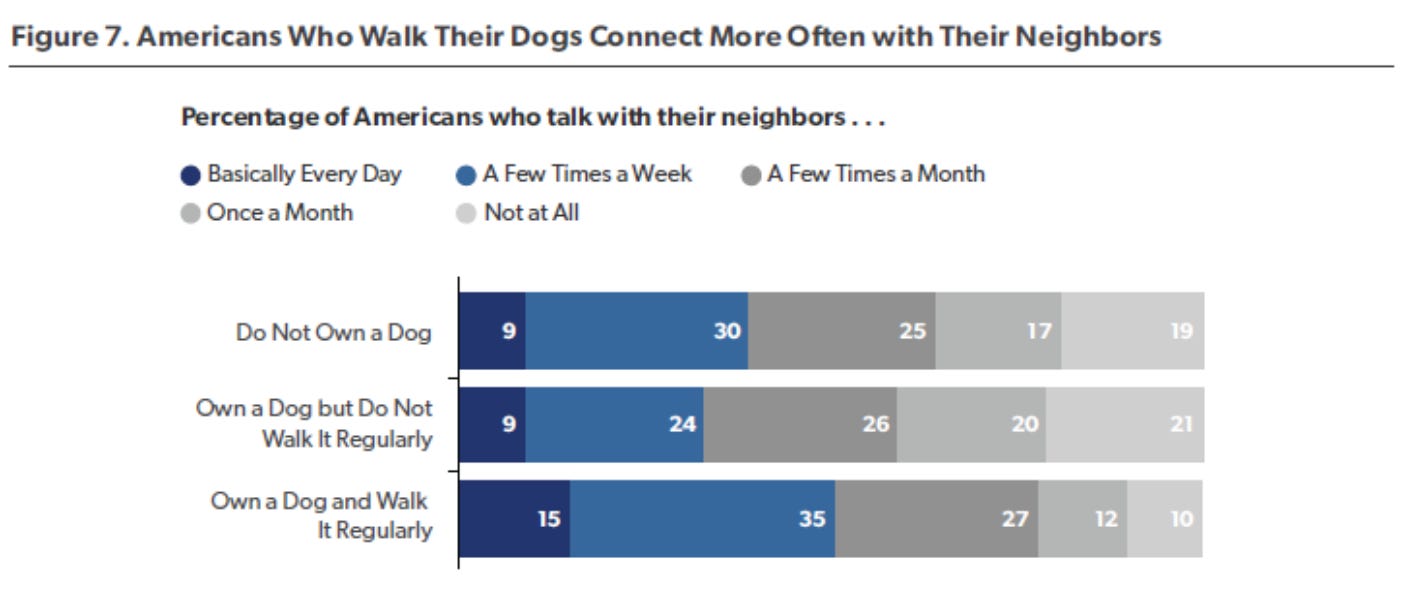
One of the clearest patterns in the report is that communities work better when people actually have places to gather. Americans with access to parks, coffee shops, libraries, restaurants, churches, and other “third places” are more likely to walk around their neighborhoods, strike up conversations, and feel connected to the people nearby. The report argues that the weakening of neighborhood life is part of a larger erosion of American social connection, one shaped not just by technology and remote work, but by disappearing civic habits and fewer opportunities to interact face to face.
12. ‘Population autopsy’ finds Americans are dying younger than other wealthy countries — the deadliest 2 culprits revealed (NY Post)
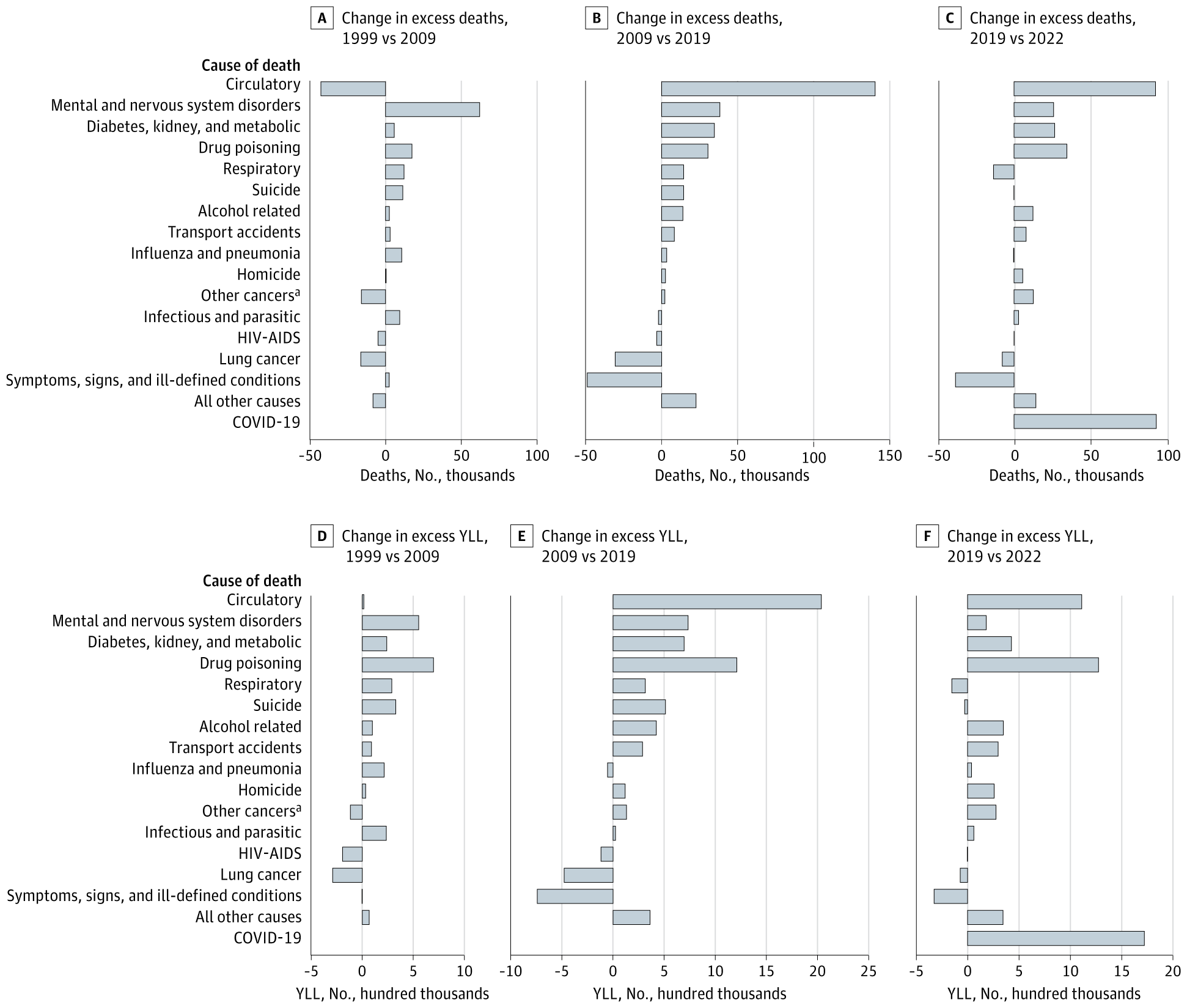
America’s life expectancy gap with other wealthy countries is widening sharply. A large analysis of more than 63 million deaths found that nearly 12.7 million U.S. deaths between 1999 and 2022 could have been avoided if American death rates had matched those of 17 peer nations. Annual excess deaths more than tripled during that period, rising from about 346,000 in 1999 to more than 905,000 in 2022.
Two forces are driving much of the gap: cardiometabolic disease and “deaths of despair.” Heart attacks, strokes, diabetes, kidney disease, and related metabolic conditions account for the largest share of excess deaths, with U.S. rates worsening after 2009 even as peer countries continued to improve. By 2022, U.S. death rates from circulatory and metabolic diseases were far higher than in comparable wealthy nations.
The fastest-growing problem is deaths tied to drugs, alcohol, and suicide, especially among men and younger Americans. These “deaths of despair” are the main reason the mortality gap has widened among people under 45. COVID-19 intensified the trend by disrupting care, worsening mental health, increasing social stress, and accelerating problems that were already present.
You can read the report here.
NOTE: I’m currently reading Homo Deus: A Brief History of Tomorrow by Yuval Noah Harari. It’s an anthropological review of humanity that explores ethics, philosophy, religion, and more. In it, he points out, “For the first time in history, more people die today from eating too much than from eating too little, more people die from old age than from infectious disease, and more people commit suicide than are killed by soldiers, terrorists and criminals combined.” That’s a staggering point.
Health
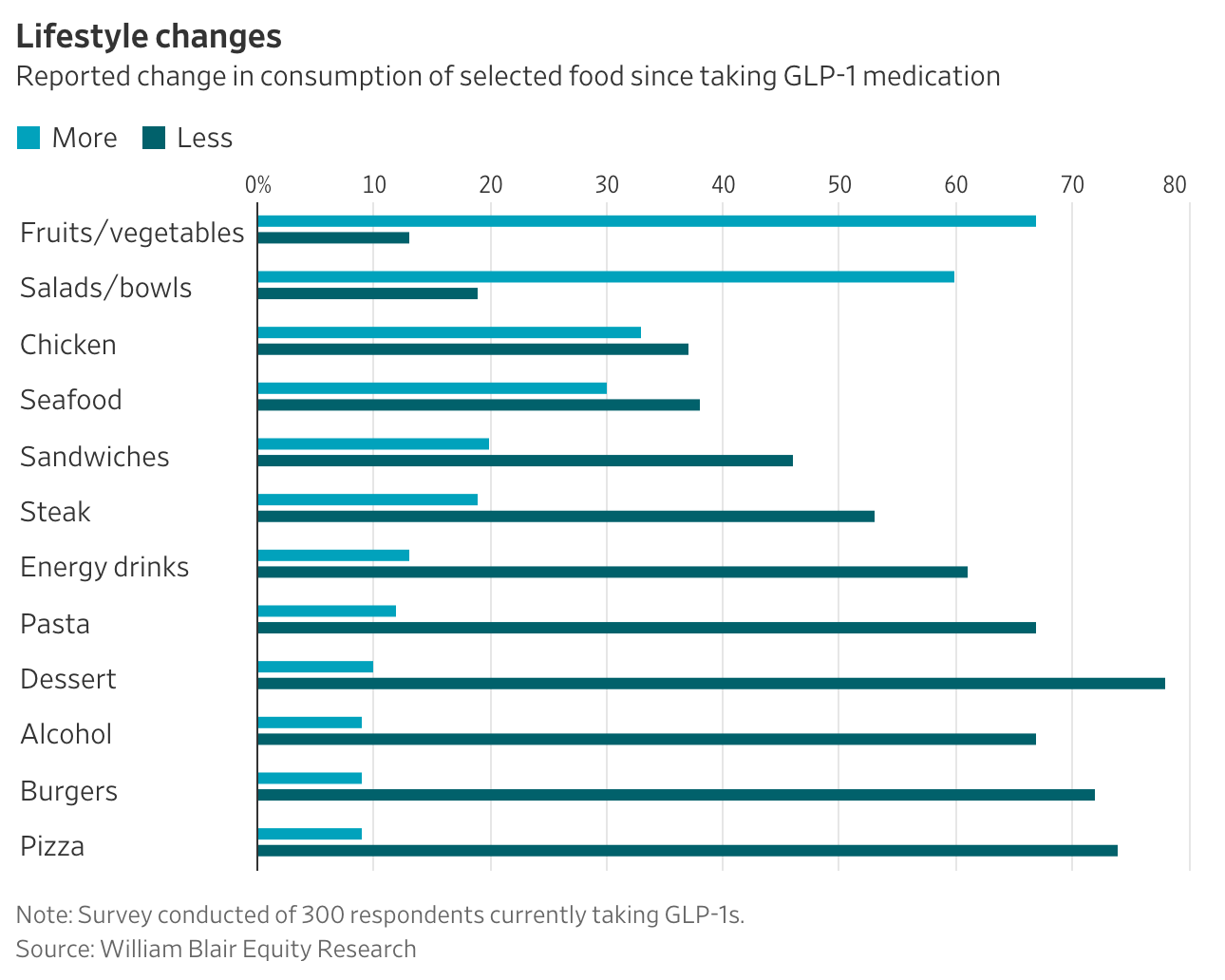
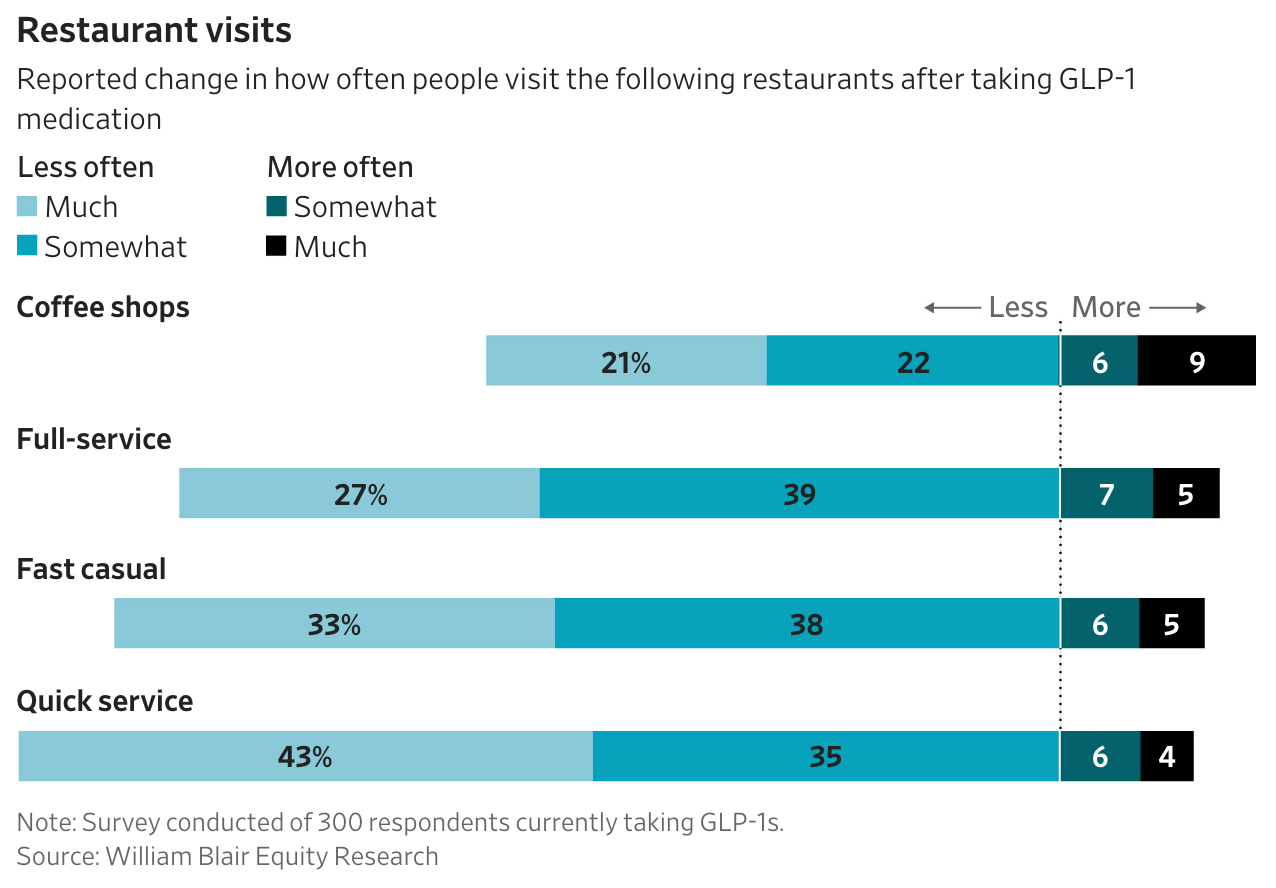
13. GLP-1 Users Are Taking a Bite Out of the Restaurant Business (WSJ)
GLP-1 weight-loss drugs are starting to change how Americans eat out. People taking drugs like Zepbound and similar treatments are eating smaller portions, visiting restaurants less often, and cutting back on alcohol. That is creating a new problem for restaurants already dealing with higher costs and more cautious customers.
The impact is not hitting every chain the same way. Fast-casual places like Chipotle, Panera, and Sweetgreen may benefit because they offer customizable meals, bowls, salads, protein options, and lighter portions. Restaurants built around big servings, fried food, pizza, desserts, or alcohol may have a harder time. Some chains are already adapting by highlighting protein, offering smaller portions, or creating lighter menus.
Sports
14. The Future of Elite Youth Sports Is Here—and It’s a Mess (WSJ)
Florida has become the closest thing high-school sports has to a transfer portal. Thanks to school-choice rules and the rise of NIL money, top athletes are moving from school to school in search of better teams, more exposure, stronger coaches, and a clearer path to college offers. Some elite players now attend multiple high schools in just a few years, treating each move as part of a larger recruiting strategy. The system has created real opportunities for athletes with major talent, but it has also turned high school into something that looks more like a business than a school experience. Coaches are accused of recruiting players, NIL deals can blur into pay-for-play, and state officials say the rules are hard to enforce. Meanwhile, students who transfer repeatedly may lose academic rhythm as counselors try to piece together credits from multiple schools.
Traditional community teams are being replaced by rosters of short-term stars, small schools are losing their best players, and coaches worry that athletes are being taught to leave rather than persevere. For families chasing life-changing college money, the calculation is simple: get better film, better exposure, and a better deal.
But for most high-school athletes, the odds of reaching that payoff remain slim.
NOTE: My advice—spend that time and money focusing on your education, which will most definitely have a payoff.
15. How Sports Became Our Civic Religion (And why poor, deindustrialized towns produce the most passionate fans.)

In this episode of Old School, Shilo Brooks sits down with sportswriter Wright Thompson to explore what the ESPN mainstay has learned from decades of covering elite athletes such as Tiger Woods and Michael Jordan. Does greatness require rage, dysfunction, or “daddy issues”? And what does GOAT culture teach young men about winning—and losing?
NOTE: A great episode that touches on ethics, morality, character, fatherhood, what’s important in life, and the ritual of sports--this interview has it all (to include some adult language).
In the interview Thompson mentioned three sports articles that are some of his favorites; here they are:
Death of a Racehorse by W.C. Heinz (published in 1949)
What Do You Think of Ted Williams Now? by Richard Ben Cramer (published in 1986).
Holy Ground by Wright Thompson (a memoir to his father)
International
16. See How China Is Gaining Power in Contested Waters (WSJ)
China is using fishing boats, coast-guard ships, and maritime militia vessels to expand its reach across Asian waters without crossing the line into open conflict. In the Yellow Sea, about 200 Chinese fishing boats recently pushed farther east, some coming within 150 miles of Sasebo, Japan, a major U.S. naval hub. Similar activity is showing up near South Korea, Japan, Vietnam, and the Philippines, often around contested islands, shipping lanes, and strategically important waters. Analysts say China is using these fleets to pressure neighbors, complicate U.S. and allied military planning, and gradually normalize its presence in disputed areas. That includes increased coast-guard patrols near the Senkaku Islands, a heavier presence around Scarborough Shoal, and new construction at Antelope Reef in the Paracel Islands.
NOTE: Many great infographics in this piece, below is just one:

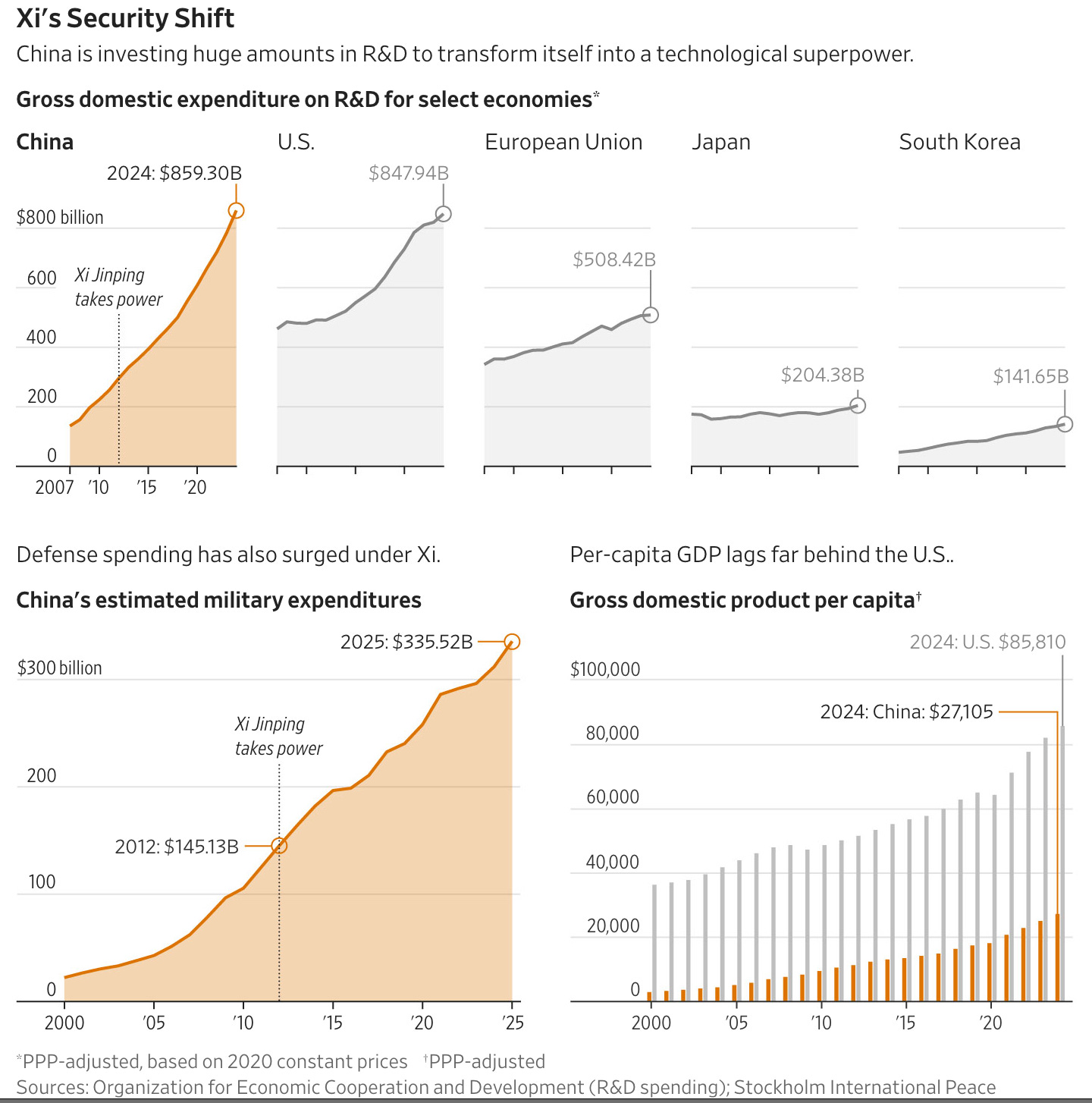
17. Xi’s China: Dazzling Technology, Military Muscle—and an Economic Mess (WSJ)
China has become more militarily powerful, technologically ambitious, and industrially dominant under Xi Jinping, but that strength masks deep economic strain. Xi has prioritized national security, military modernization, and self-sufficiency in areas such as AI, semiconductors, electric vehicles, robotics, and advanced manufacturing. That strategy has helped China narrow gaps with the U.S. in some strategic sectors, but it has also diverted attention and resources away from reforms that could support jobs, household income, consumer confidence, and the middle class.
The property bust has destroyed wealth, weakened consumer sentiment, and wiped out jobs that have not been fully replaced. Local governments are cutting spending on basic services while increasing investments in science, technology, and security priorities. Xi’s model is producing national strength without broad prosperity. China can project power through its military, exports, and strategic industries, but many ordinary workers are facing fewer opportunities, lower wages, and greater uncertainty. The country’s policy focus remains tilted toward “things” like factories, weapons, and technology capacity rather than people through stronger social safety nets, household support, and job-creating reforms.
18. Russia is starting to lose ground in Ukraine (Economist)
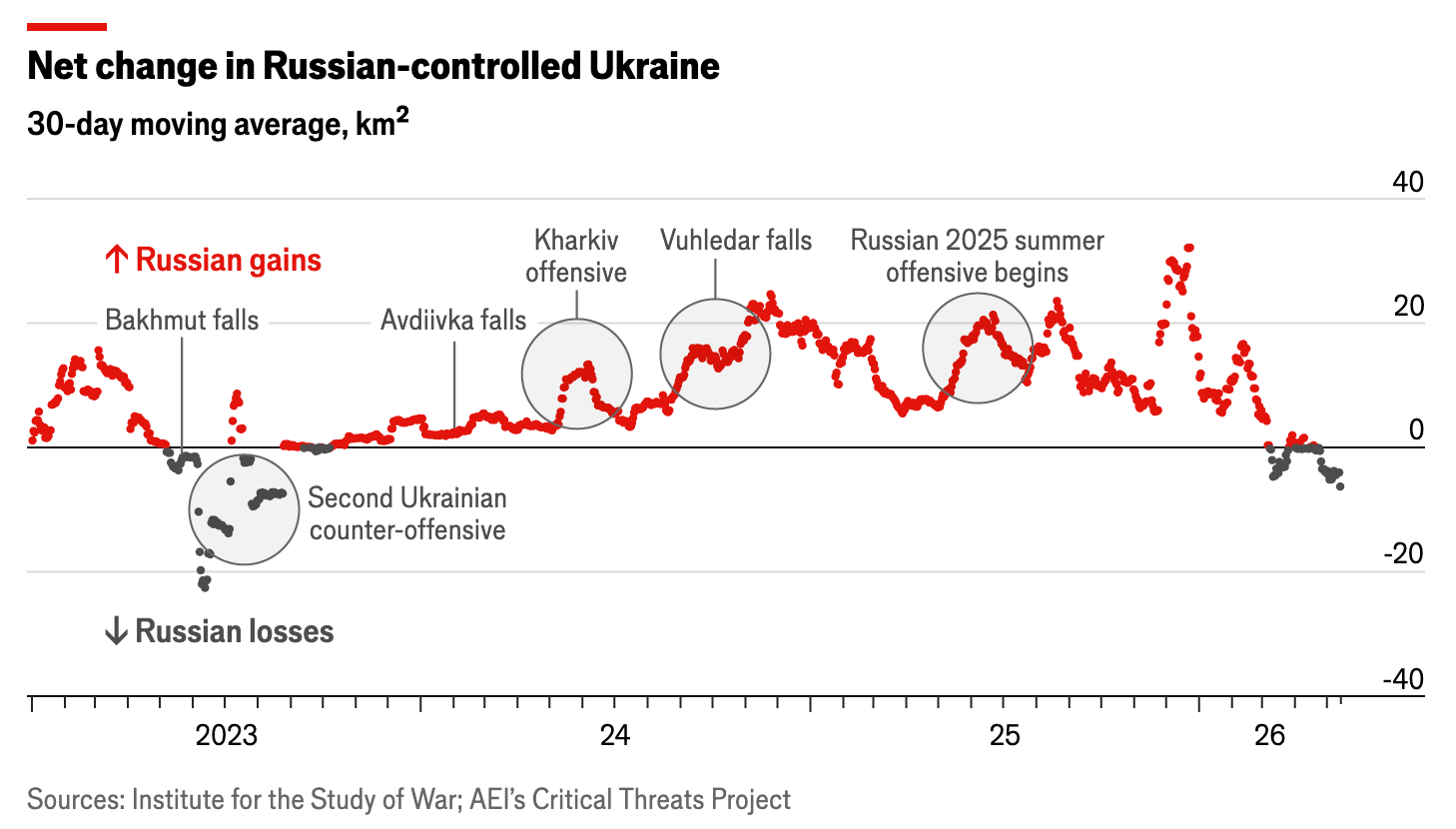
The failed May ceasefire shows how far Ukraine and Russia remain from any real end to the war. Both sides accused the other of violations, and battlefield data showed no meaningful pause in fighting. But beneath that grim continuity, the momentum may be shifting. Russia is still paying an enormous price--estimates put Russian deaths somewhere between 280,000 and 518,000, with total casualties possibly reaching 1.5 million. That means a striking share of Russia’s fighting-age male population has been killed or wounded.
Russia has gained only tiny amounts of territory this year, while Ukraine has recently begun taking some ground back. Drones have made the battlefield harder to move through and harder to map, slowing Russian advances and exposing troops behind the front. Russia may still try for a summer offensive, but for now the war looks like it may be at a possible turning point.
Space
19. SpaceX is only ~200 satellites away from having launched as many satellites as the rest of the world combined


Government
20. Why Congress Is Struggling to Do the Bare Minimum (WSJ)
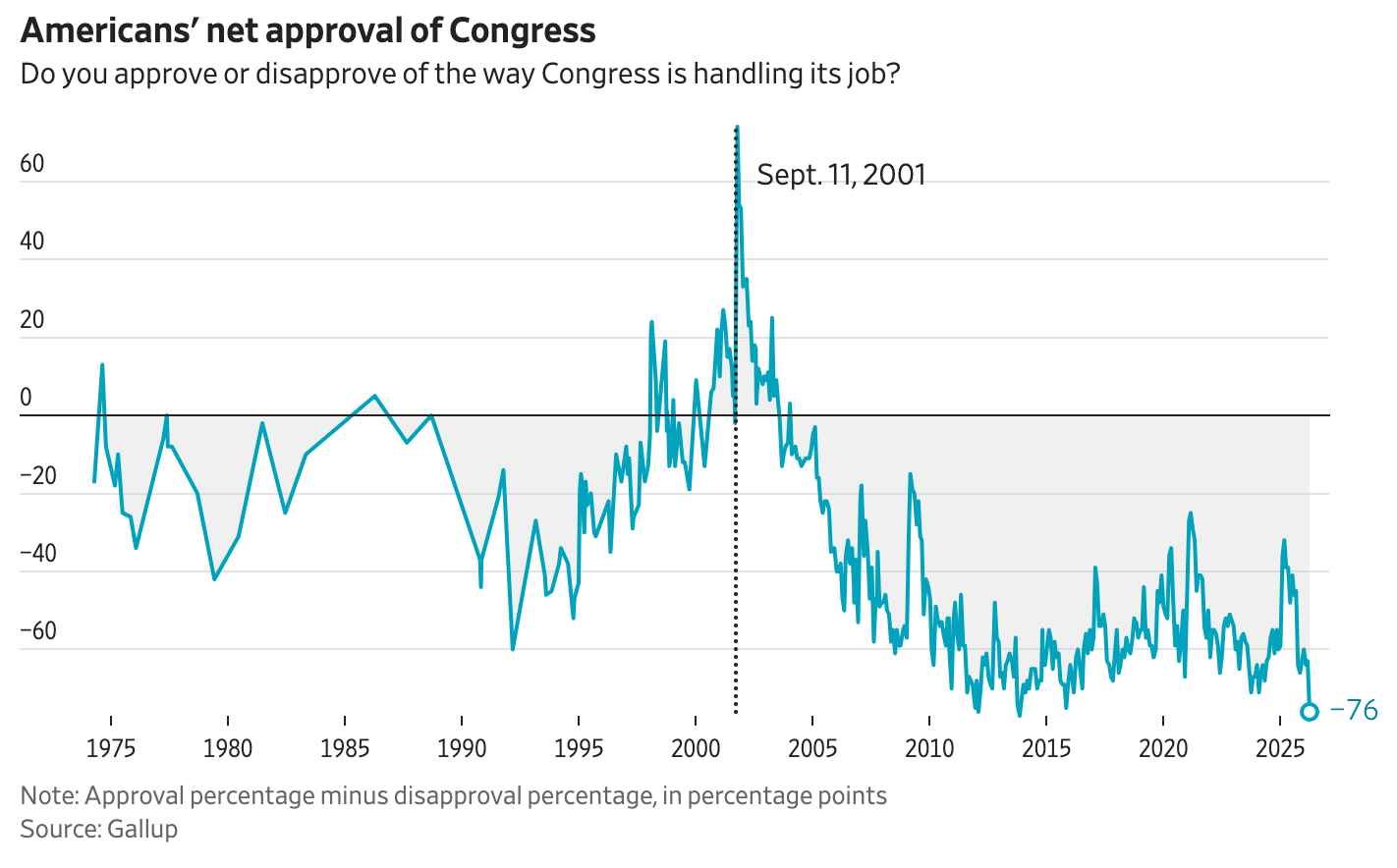
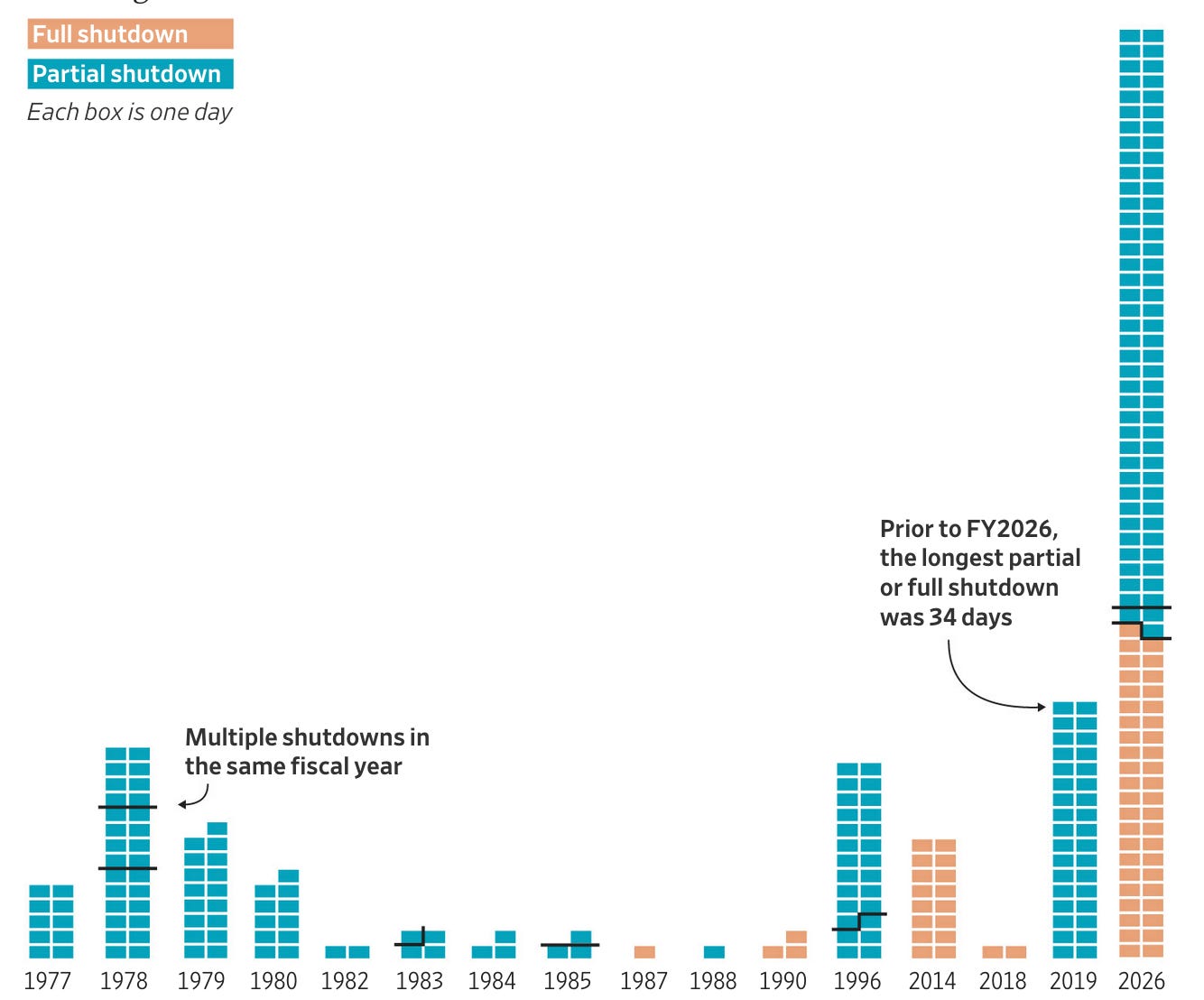
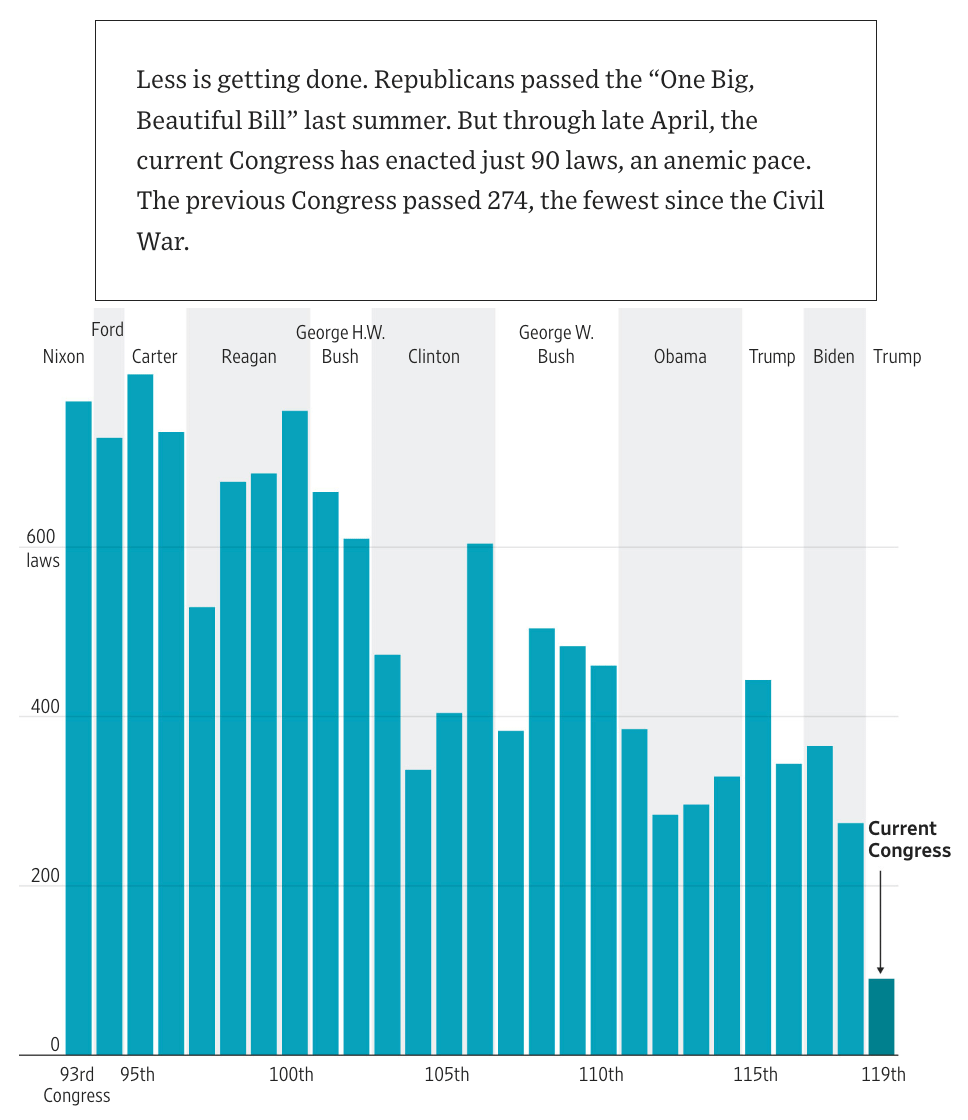
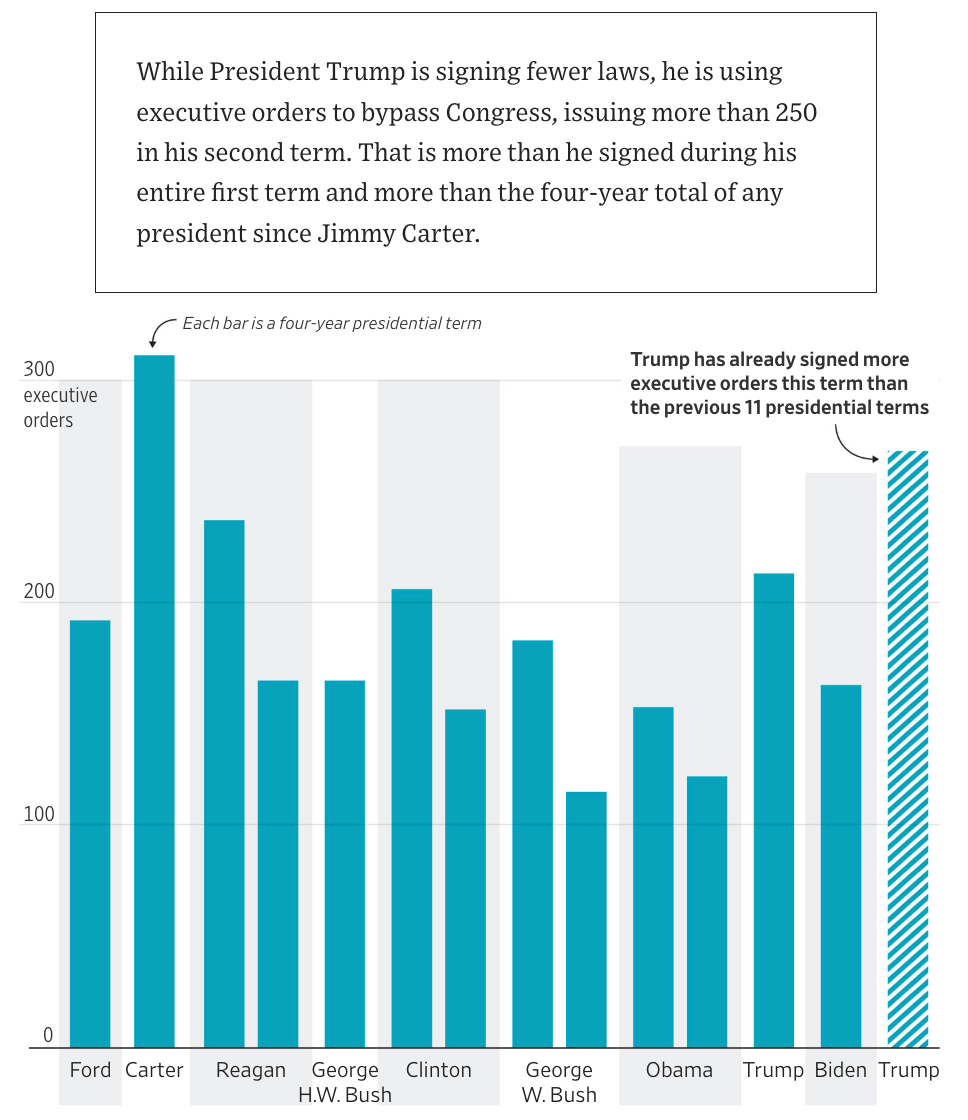
Congress managed to reopen most of the Department of Homeland Security after a 76-day shutdown, but the vote was less of a breakthrough than a temporary patch over a much deeper institutional breakdown. Public approval is near historic lows, the House is operating with razor-thin margins, and small factions can now derail leadership at almost any moment. The result is a Congress that lurches from shutdown to shutdown, passes few laws, and increasingly watches the president govern around it through executive orders, tariffs, and military action.
The dysfunction is not confined to one chamber or one party. House Republicans blame Senate Republicans for sending over last-minute bills they dislike; Senate Republicans are exasperated by House factions that cannot stay aligned; Democrats accuse the House GOP of chaos and deference to Trump; Republicans accuse Democrats of obstruction. Votes are held open for hours while leaders pressure holdouts, major funding deadlines are missed, and basic governing has become a recurring test of whether Congress can keep the lights on at all.
Congress appears to be normalizing its own failure. Government shutdowns, temporary funding patches, massive last-minute spending packages, and executive workarounds have become routine features of Washington rather than emergencies. Lawmakers are retiring or resigning in unusually high numbers, and Republicans are openly warning that a dysfunctional majority risks becoming a minority after the midterms. Congress can still pass things when forced to, but it increasingly does so only after exhausting nearly every sign of institutional health.
Nature
21. The Colorado River Is on the Brink of Disaster (WSJ)
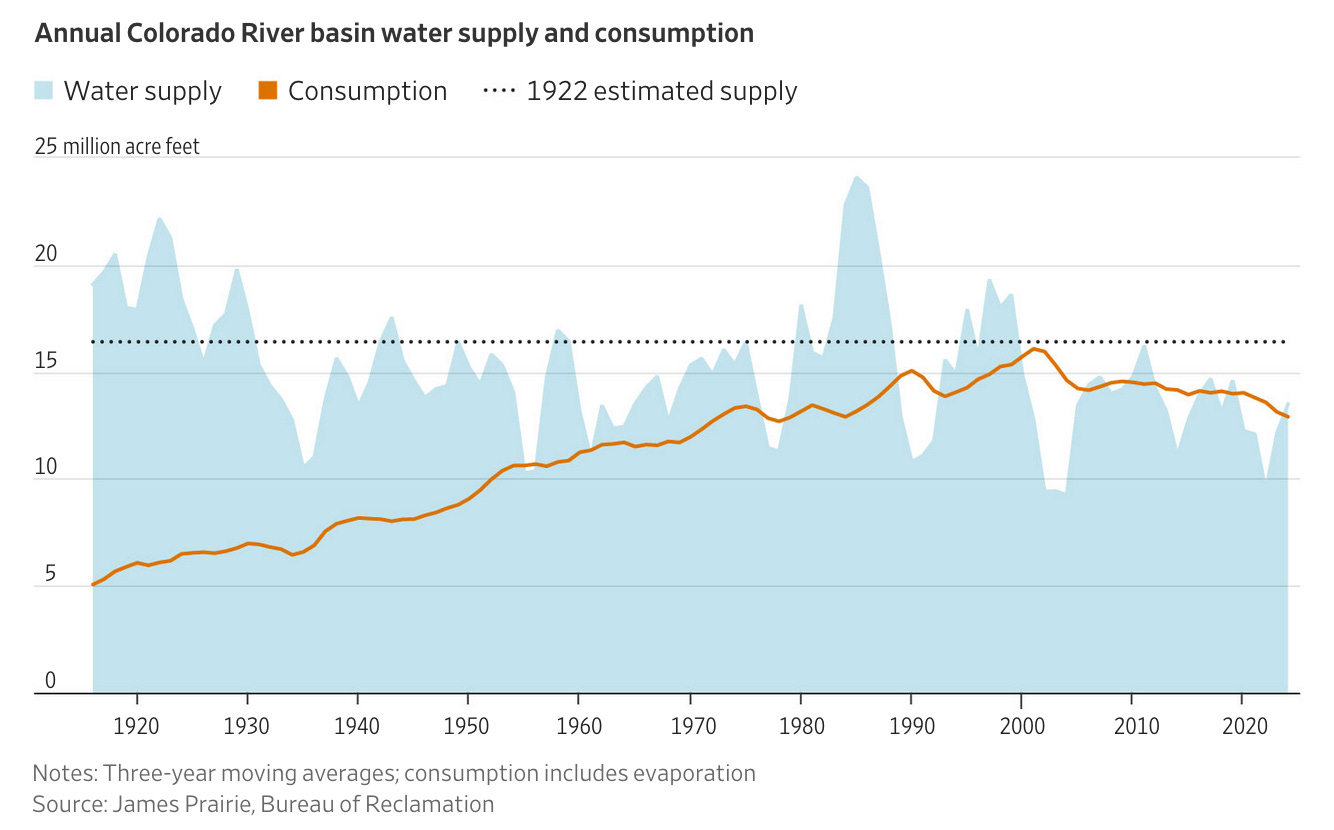
The Colorado River system is running out of water, and the states that depend on it still cannot agree on how to divide the shrinking supply. A February deadline to reach a new deal passed without agreement, leaving the federal government warning that it may impose its own solution—one that would likely mean painful water cuts across the Southwest. When the Colorado River compact was signed in 1922, officials overestimated how much water the river could reliably provide. Since then, population growth, farming demands, and long-term drought have pushed the system beyond its limits. The two largest reservoirs, Lake Mead and Lake Powell, are now roughly 75% below their peak storage levels after years of states drawing down reserves to cover shortages.
Tensions are especially high between the upper basin states—Colorado, Utah, Wyoming, and New Mexico—and the lower basin states—Arizona, California, and Nevada. The lower basin has historically used more water, while the upper basin argues it should not bear the brunt of future cuts. Meanwhile, this year’s weak snowpack in the Rockies has made the outlook even worse. Officials expect Lake Powell to receive the lowest inflow since it was created in the 1960s, and emergency releases from upstream reservoirs are only buying time. As one water expert put it, there simply is not enough water left to fill the gap.
NOTE: Story contains many great infographics.