This week topics include: East Asia, Middle East, government, economy, technology, health, life, travel, interesting reads and some bad charts and info.
East Asia
1. See How a Chinese Attack on Taiwan Would Be Japan’s Problem (WSJ)
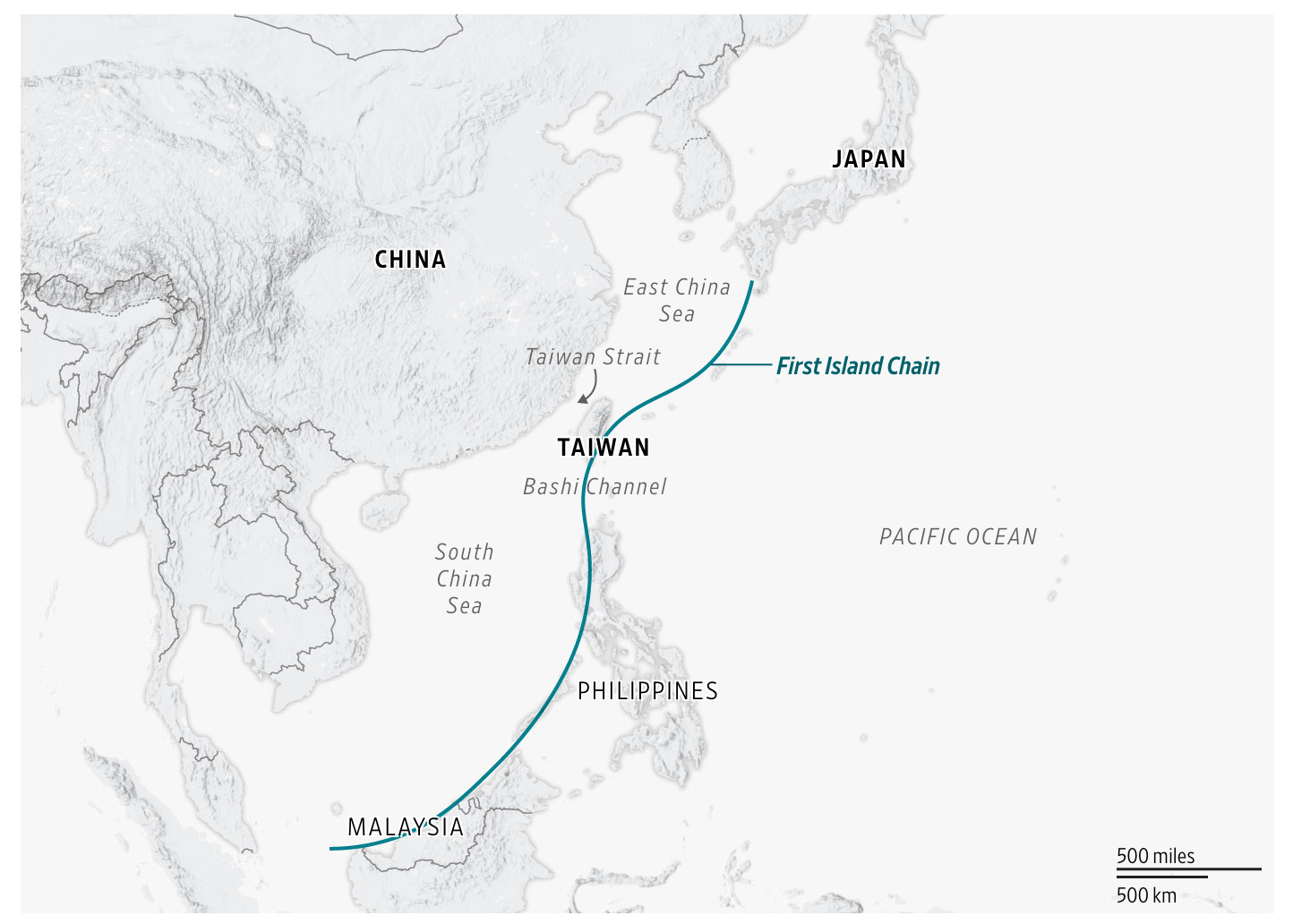
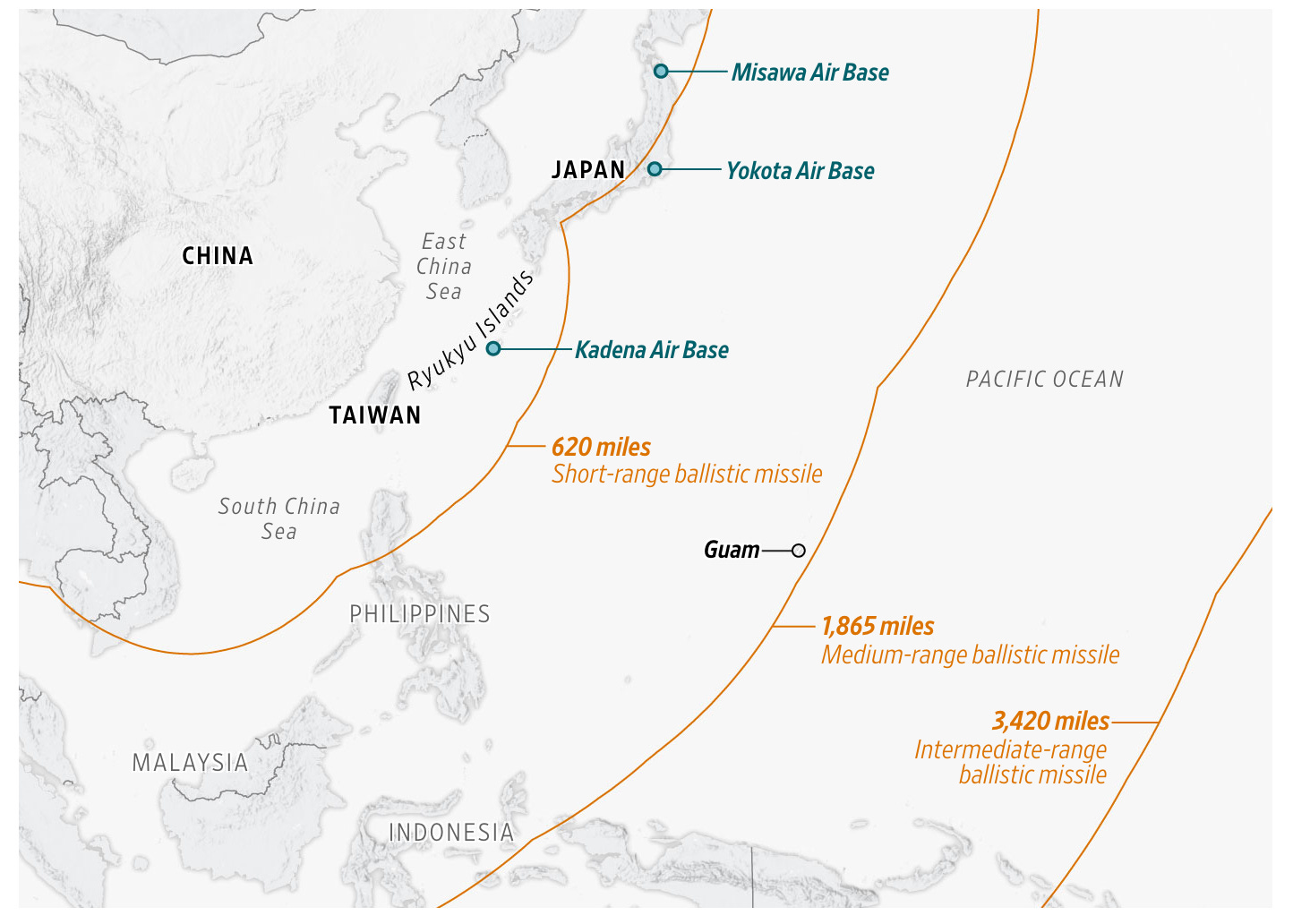
Rising tensions over Taiwan highlight how deeply a potential Chinese invasion would affect Japan and the United States, despite Beijing’s insistence that it is a purely internal matter. Taiwan sits astride vital sea lanes linking the East and South China Seas to the Pacific, and its fall would allow China to dominate regional waterways, project power beyond the First Island Chain, and intensify pressure on neighboring states. Strategists warn that such a shift would decisively tilt the Asian balance of power in Beijing’s favor, directly threatening Japan’s security, trade, and territorial claims, particularly around the disputed Senkaku/Diaoyu islands.
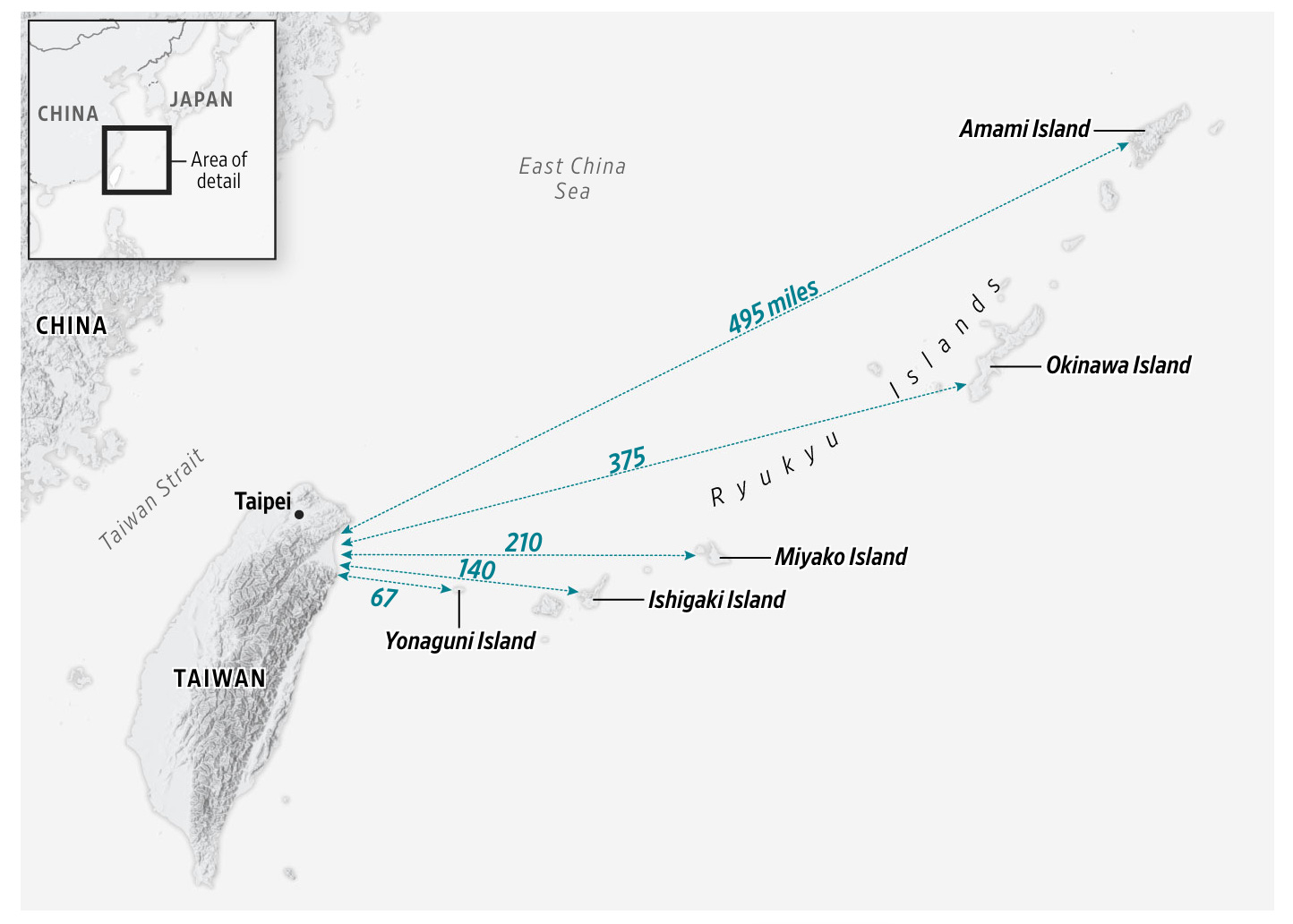
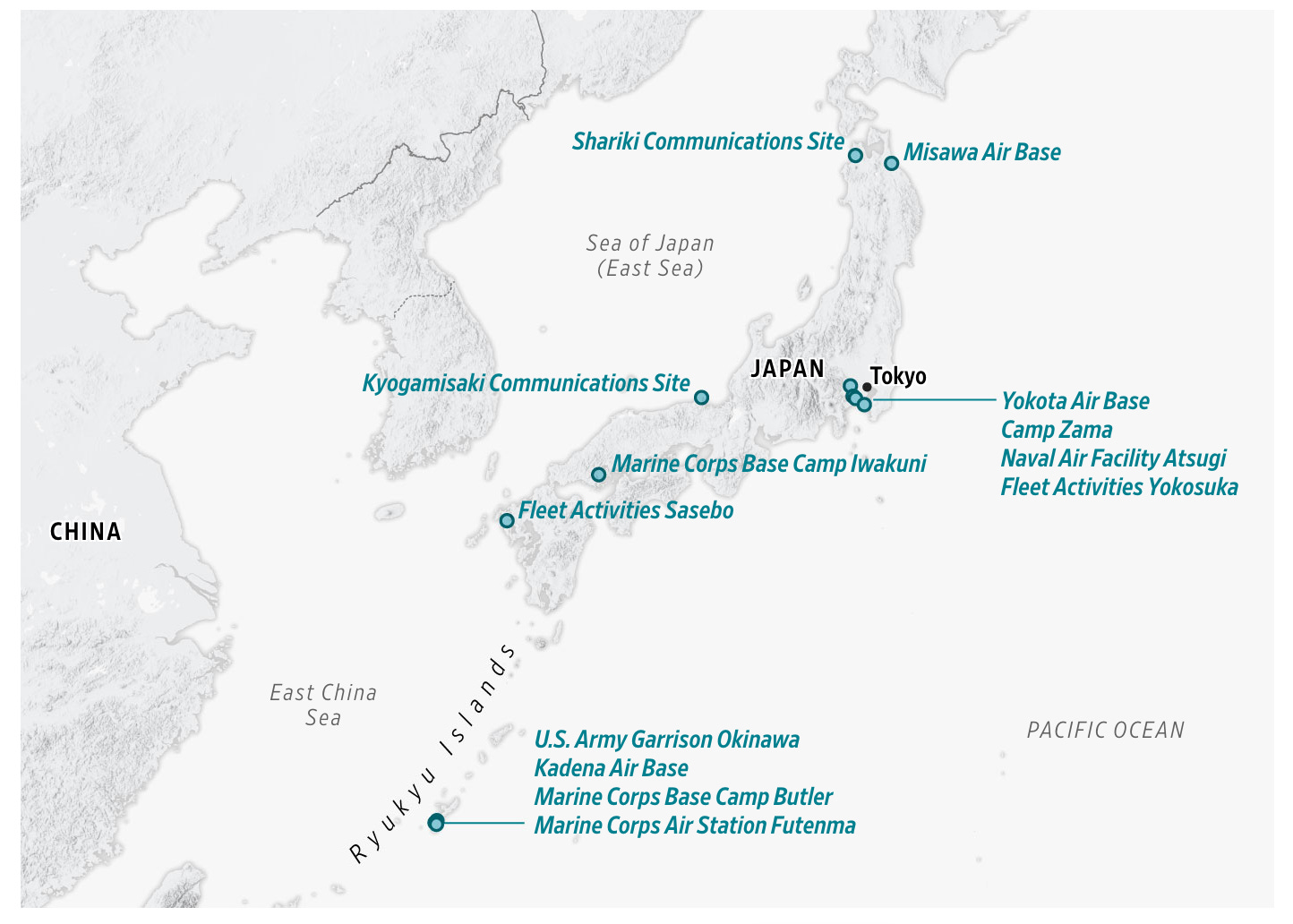
Geography and alliance politics bind Japan tightly to any Taiwan conflict. Japanese islands in the Ryukyu chain lie close to Taiwan and would be exposed to blockades or missile strikes, while Japan hosts critical U.S. bases that make it indispensable to any American military response. United States forces would rely heavily on air and naval facilities in Japan to operate effectively; without them, sustaining combat from distant bases like Guam would be far harder. As Japan strengthens defenses on its southwestern islands and both sides deploy longer-range missiles, the risk grows that a Taiwan war would quickly expand—either through Japanese participation or Chinese preemptive strikes—turning a cross-strait crisis into a broader regional conflict.
NOTE: If you want to understand this all better I recommend reading up on Island Chain Strategy and reading the new US National Security Strategy.
Middle East
2. Families, Neighbors Informed on Each Other in Assad’s Syria, With Deadly Consequences (WSJ)
Newly uncovered Syrian military intelligence files shed light on how the Assad regime maintained power through pervasive surveillance, coercion, and forced betrayal, often turning relatives and spouses into informants. One case involves Abdu Kharouf, a moderate imam in Damascus who was lured to a meeting in 2020, secretly detained by intelligence agents, and died in a basement prison run by the regime. Documents show his arrest was triggered by testimony extracted under torture from a distant cousin, illustrating how confessions—often false—were used to justify arrests, disappearances, and killings. Kharouf’s family never recovered his body but says the records finally confirmed he was targeted despite avoiding politics and complying with state demands.
The files, discovered after the fall of Bashar al-Assad’s regime in 2024, reveal a vast system of spying that ensnared ordinary citizens, activists, aid workers, diplomats, and even loyalists. Intelligence agencies monitored private conversations, encouraged Syrians to inform on one another, and relied on torture to extract confessions, leaving a legacy of fear and mistrust that persists even after the regime’s collapse. As Syrians begin confronting this history, the documents provide rare evidence of how deeply repression penetrated daily life—and how devastating its human cost was.
Government
3. Litigation Tracker: Legal Challenges to Trump Administration Actions (Just Security)
A living, searchable resource that tracks legal challenges to Trump administrative executive actions.
NOTE: I thought this was an informative tracker. Quick stats: Of the 572 cases tracked, there have been 193 plaintiff wins, 111 government wins, and 227 awaiting a court ruling.
4. A Letter Won’t Always Be Postmarked the Same Day You Drop It in the Mail (WSJ)
The U.S. Postal Service has changed how mail is postmarked. Since Dec. 24, postmarks no longer reflect the day a letter is dropped in a mailbox but instead the day it reaches a processing facility, which could be one or more days later. As a result, mail deposited on a given day may carry a later postmark, potentially causing missed deadlines for items like tax returns, college applications, insurance appeals, checks, and ballots.
Economy
5. U.S. Trade Deficit Unexpectedly Falls to Lowest Level Since 2009 (WSJ)
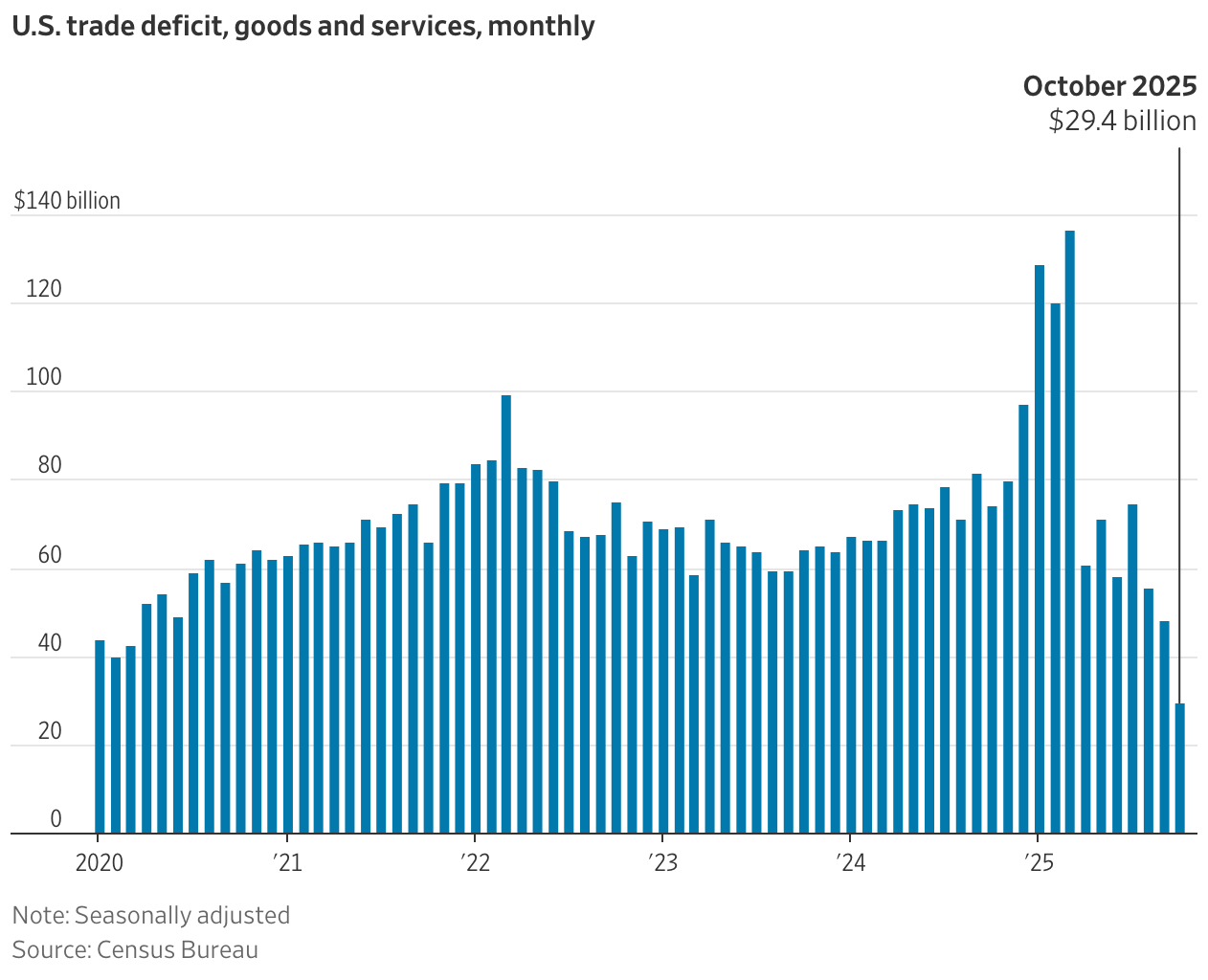
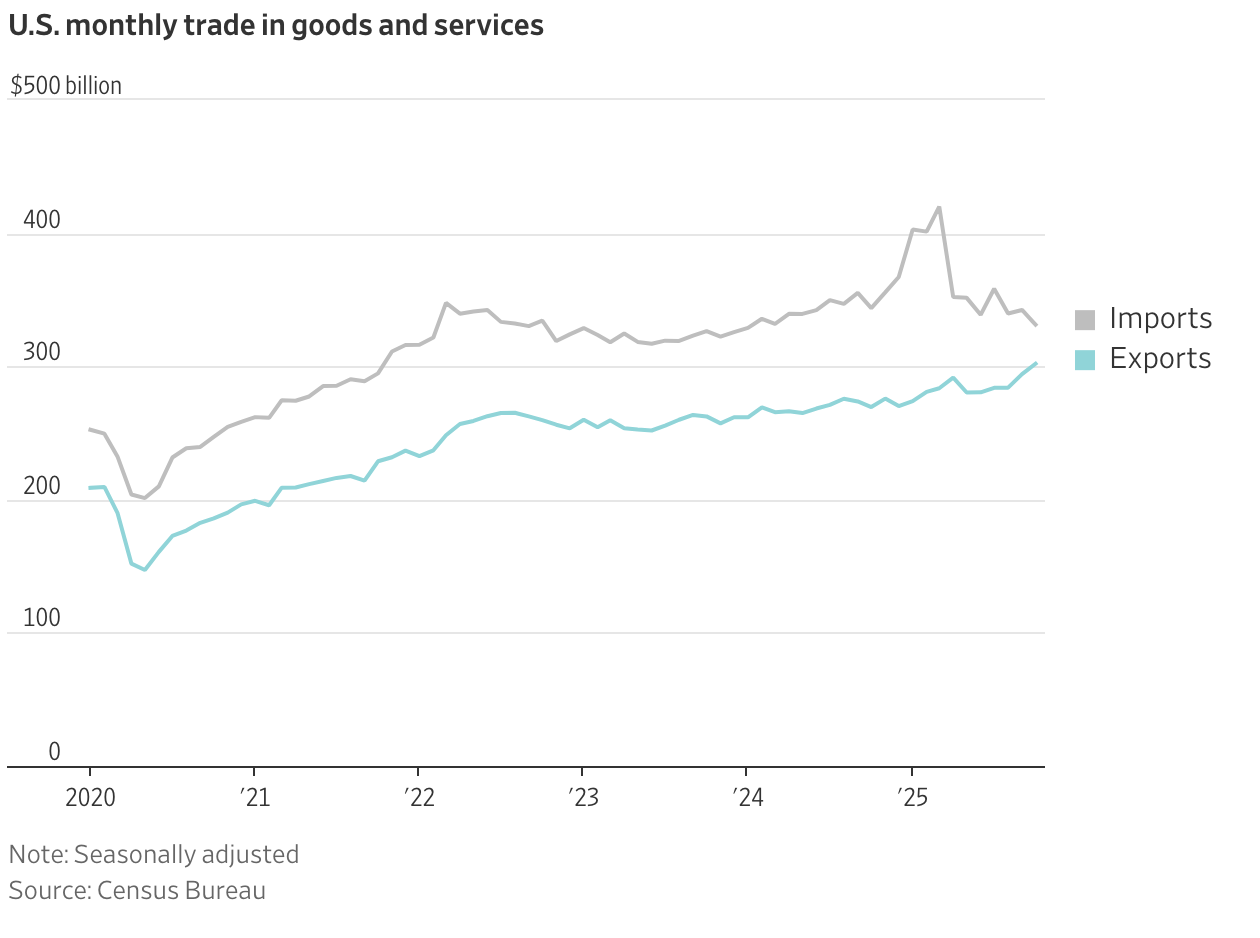
The U.S. trade deficit unexpectedly plunged in October to $29.4 billion—its lowest level since 2009—after imports fell sharply and exports rose, according to the U.S. Commerce Department. Imports declined to $331.4 billion while exports climbed to $302 billion, producing a deficit nearly 40% smaller than September’s and far below forecasts. Much of the swing was driven by narrow factors: a surge in gold and precious-metals exports tied to financial-market activity, and a sharp drop in pharmaceutical imports after Donald Trump threatened steep tariffs on overseas drugs.
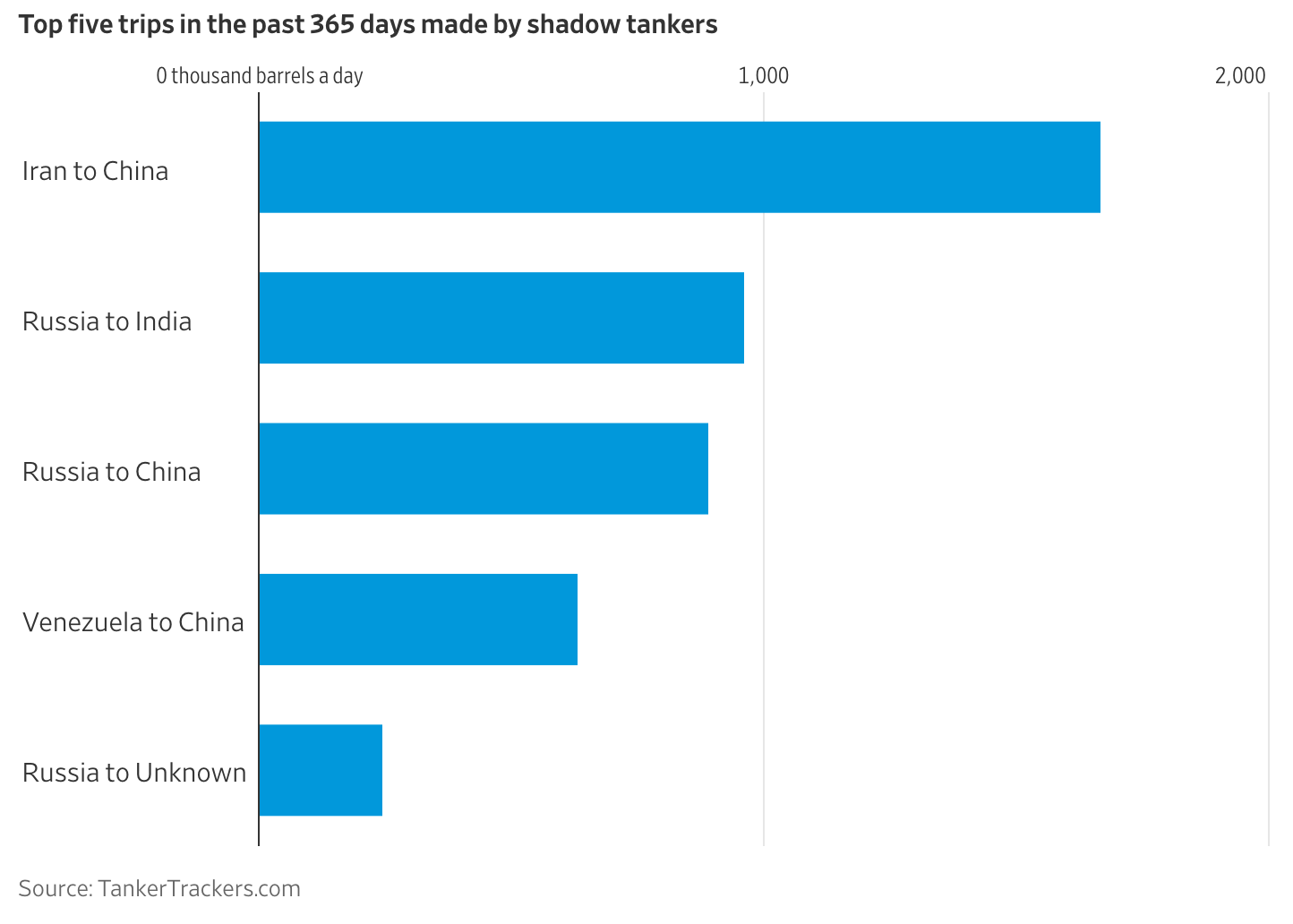
6. A Shadow Fleet Smuggles Illicit Oil Across the High Seas. This Is How It Works. (WSJ)
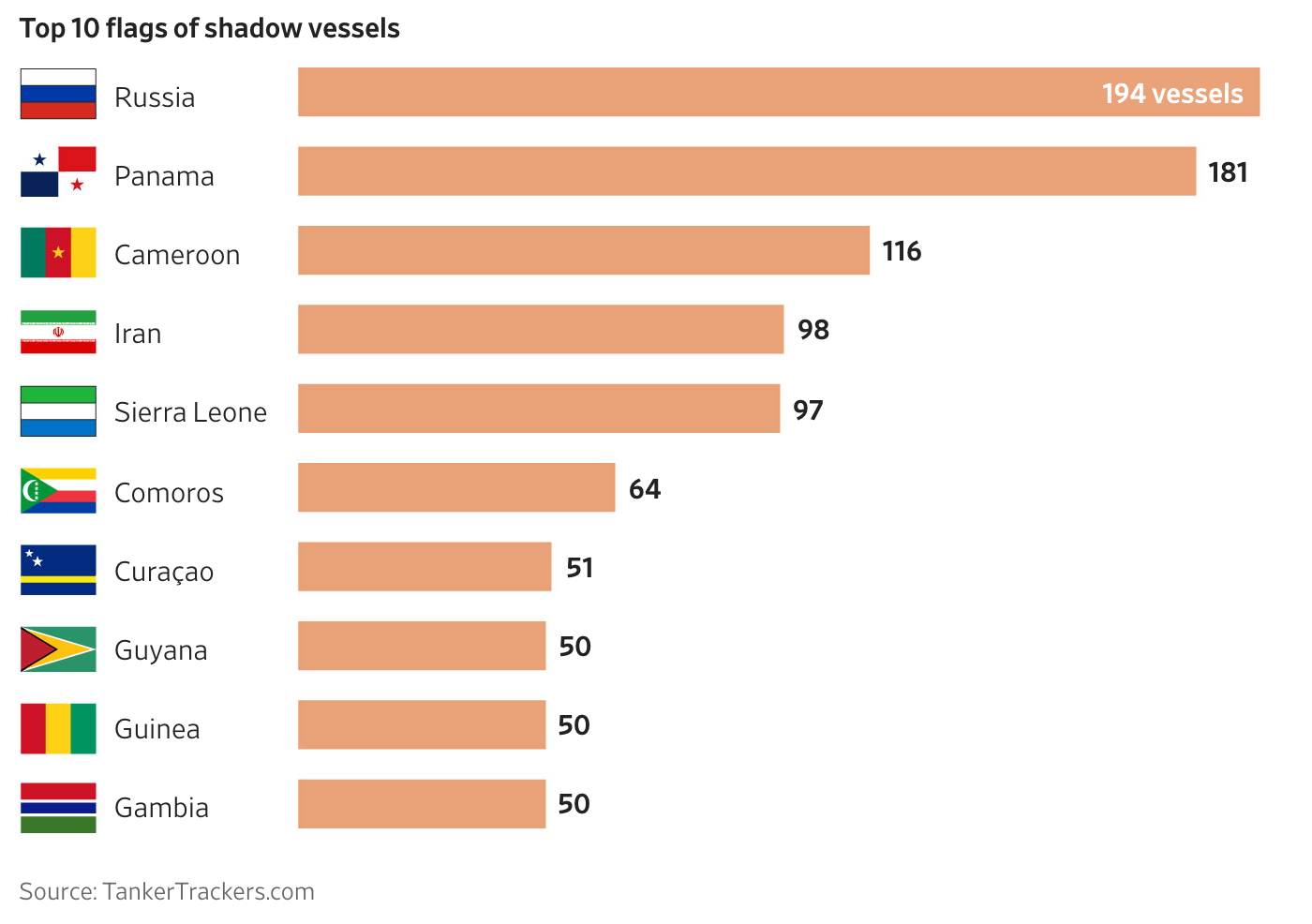
Shadow tankers move sanctioned oil by exploiting weak oversight in global shipping, often using “flags of convenience” from small, non-Western countries that offer low fees, minimal checks, and limited enforcement. These vessels frequently change names, ownership, and registries—often through shell companies in loosely regulated jurisdictions—to evade scrutiny. Many are more than 20 years old, lack reliable insurance after being cut off from Western insurers by sanctions, and pose heightened risks of accidents, environmental damage, and crew mistreatment.
Recent U.S. seizures of oil tankers, including one that claimed Russian protection, show how enforcement has escalated beyond traditional sanctions. With financial penalties proving insufficient, governments are increasingly turning to military and security measures to disrupt the shadow fleet. Ukraine has also targeted sanctioned tankers during its war with Russia, highlighting the limits of sanctions alone and the growing geopolitical and security stakes tied to illicit oil transport.
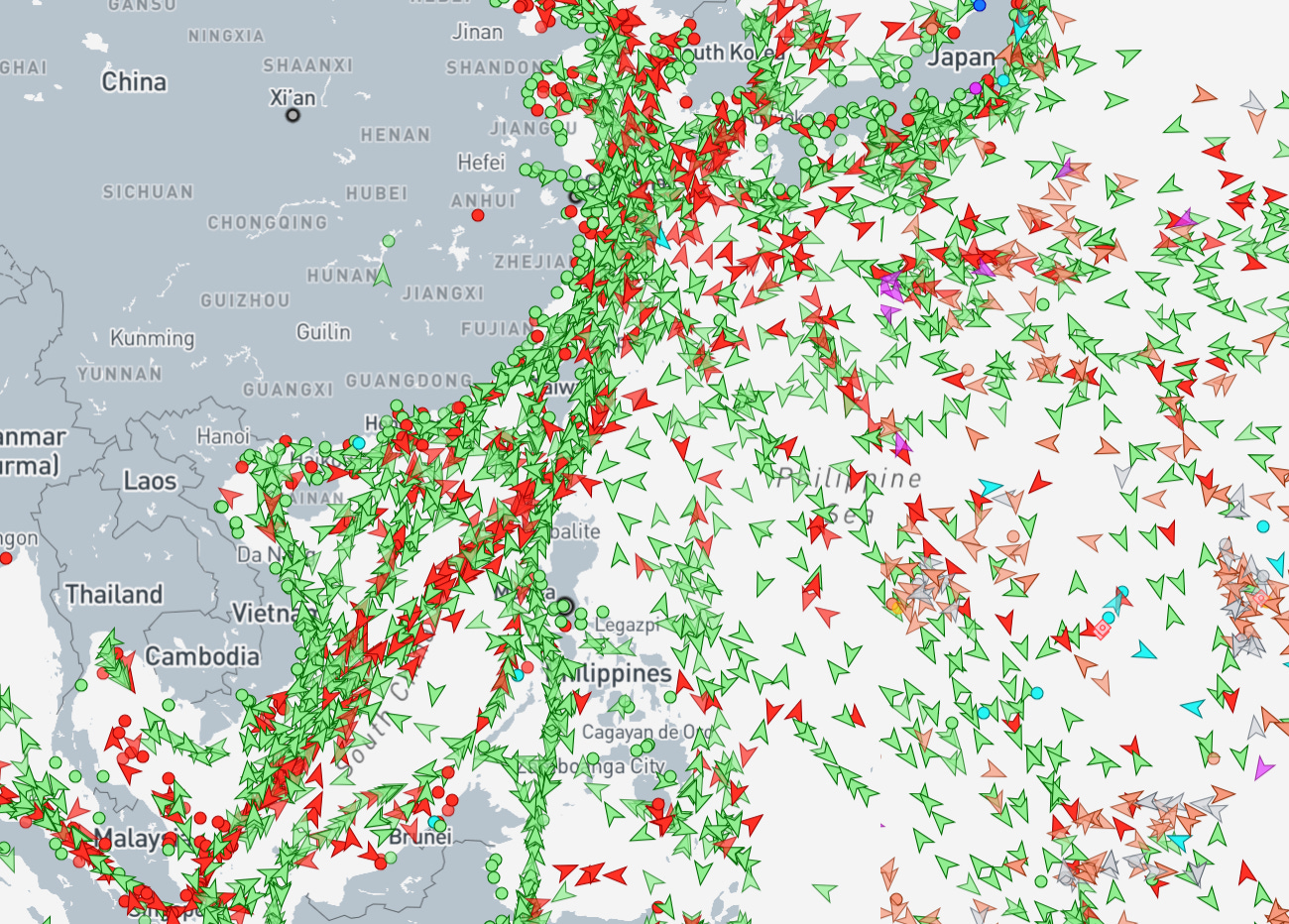
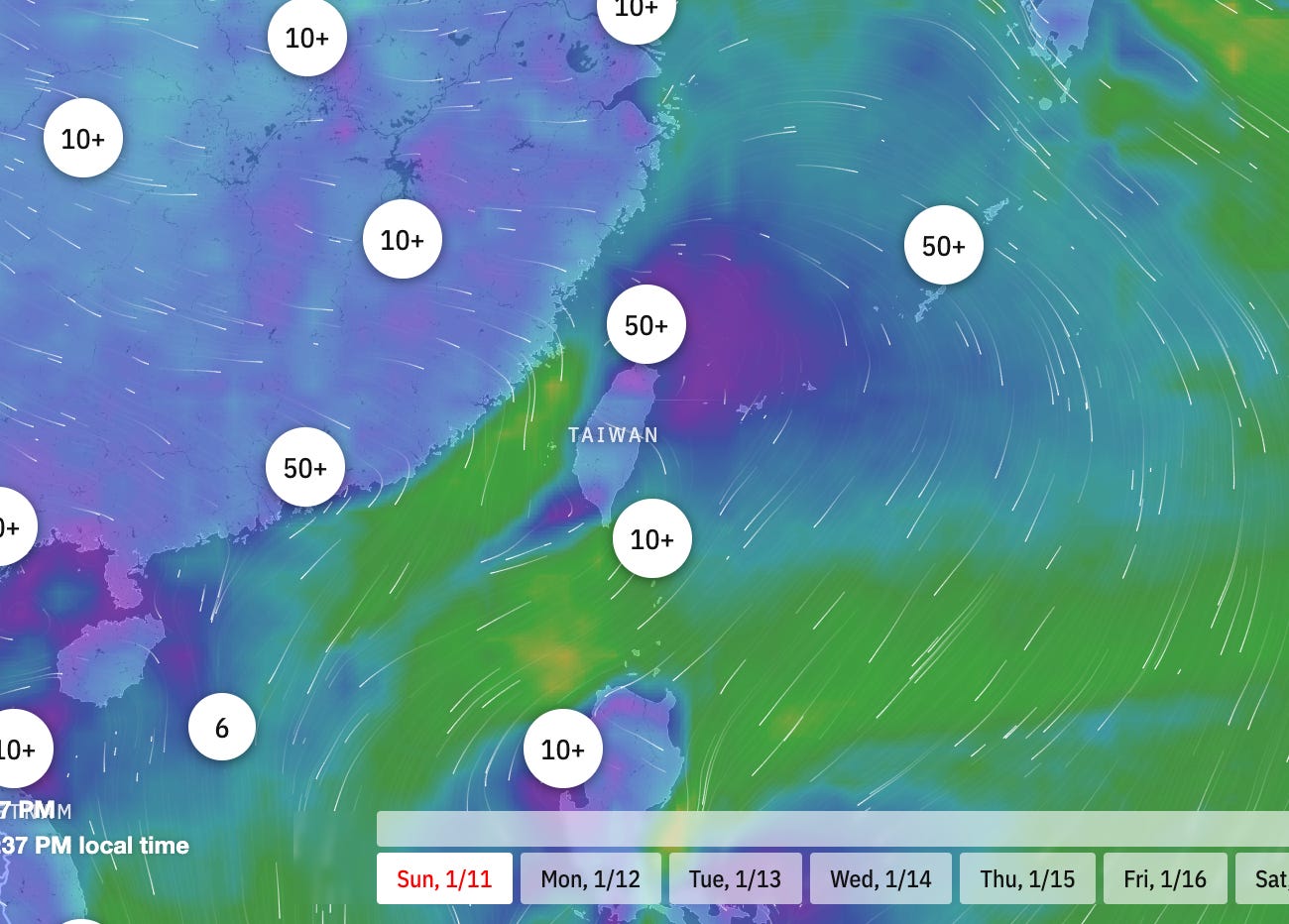
NOTE: A few years ago I got a license to be a catamaran captain—it was a fun experience, to be sure. Two apps that we used heavily were the following, and I definitely recommend them—they’re great for tracking/viewing ships and weather:
Marine Traffic - Live tracking of ships.
Windfinder - Great visual weather tracker
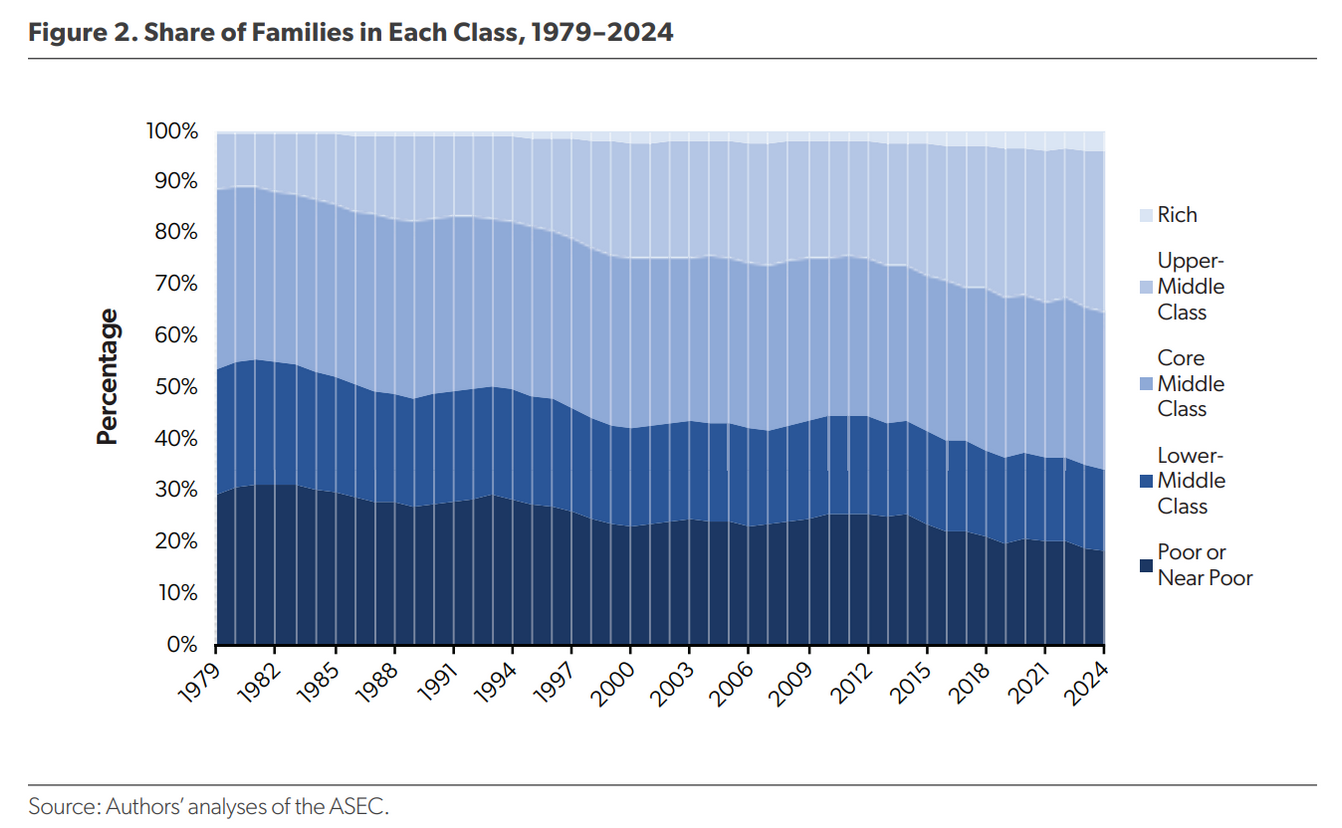
7. The Middle Class Is Shrinking Because of a Booming Upper-Middle Class (AEI)
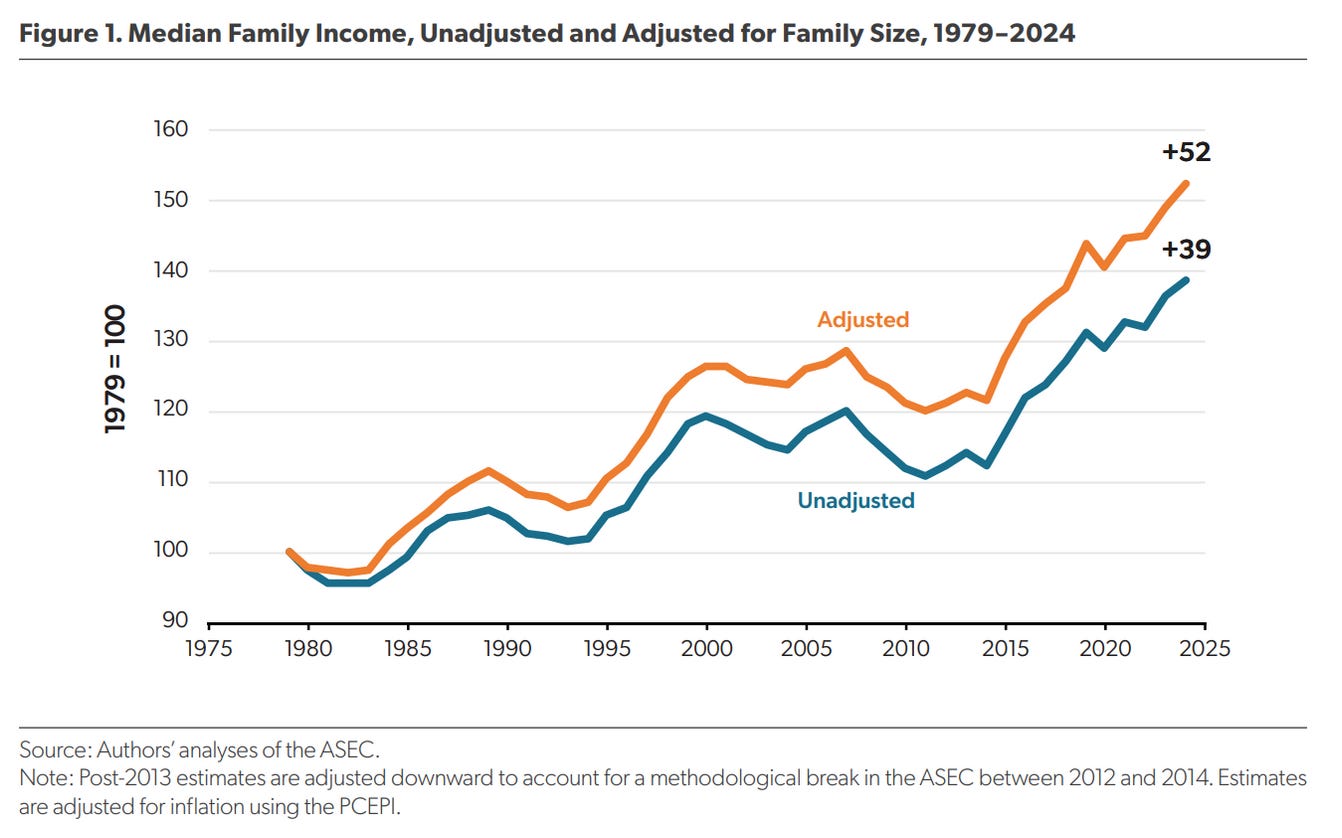
Populists on both sides of the aisle worry that the middle class has become an unattainable standard for many American families. AEI researches found that this is due to more families transitioning to the upper-middle class. In 1979, 10 percent of families qualified as upper-middle class, compared with 31 percent in 2024.
Slower growth and rising inequality have created concern that the middle class is no longer economically secure or achievable, but American families in all income brackets have seen significant gains in the past 50 years. Overall economic growth, more professional opportunities for women, and a robust safety net have fostered gains for American families across incomes.
Researcher’s analysis adjusts income for family size, as American family size has declined since 1979, with falling fertility and marriage rates. Mean family size fell from 2.7 to 2.3 from 1979 to 2024. A family of four and a family of two have different qualities of life at the same income, while a larger family can get by with proportionally fewer resources. Accounting for inflation and declining family size, median family income rose 52 percent from 1979 to 2024.
NOTE: Ok, not really related to the broader economy, but I thought this was interesting:
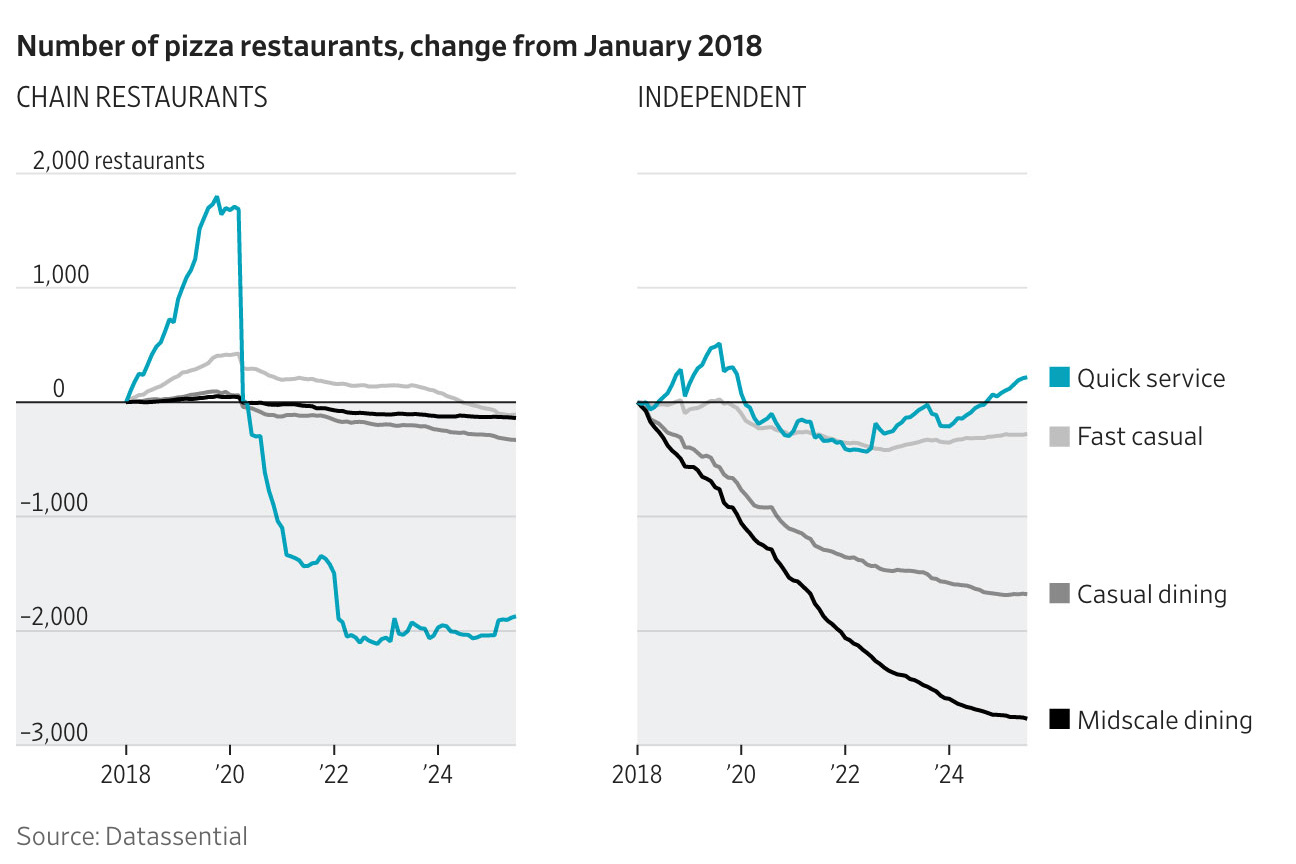
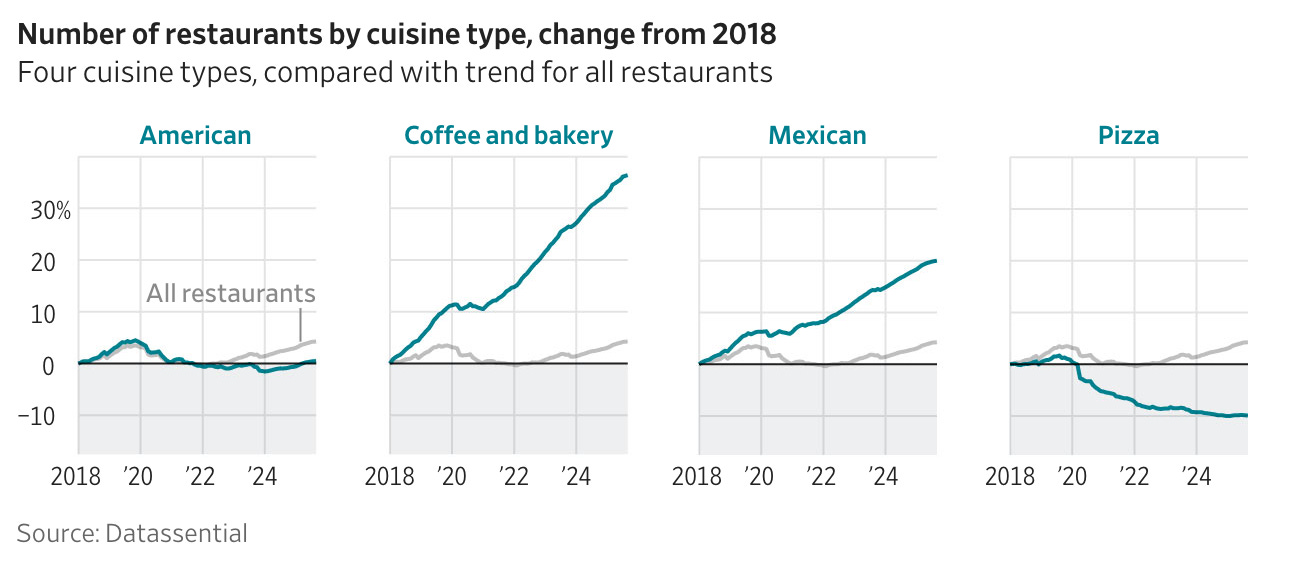
8. America Is Falling Out of Love With Pizza (WSJ)
The U.S. pizza industry is losing momentum after decades of dominance, raising questions about whether America has reached “peak pizza.” Once the second-most common restaurant type, pizzerias are now outnumbered by coffee shops and Mexican eateries, with sales growth trailing the broader fast-food market. Price wars, delivery apps offering more cuisine choices, and weakening value perceptions—$20 pies competing with cheaper fast food, frozen pizza, or home cooking—have all contributed. Several chains have filed for bankruptcy or closed locations, and major players like Pizza Hut and Papa John’s are considering sales or major strategic shifts.
Technology
9. Scientists Create Robots Smaller Than a Grain of Sand (WSJ)
Researchers at the University of Pennsylvania and the University of Michigan have built the world’s smallest fully programmable, autonomous robots—each smaller than a grain of salt—overcoming a decades-long barrier in robotics. Described in Science Robotics, the robots can sense their environment, respond autonomously, and move through liquids using tiny electric fields powered by light. Penn researchers developed the propulsion system, while Michigan engineers created an onboard microcomputer that lets each robot be programmed via light pulses to perform distinct tasks and communicate data through observable movement patterns.
The advance opens possibilities in medicine—such as in-body sensing or tissue sampling—and in precision manufacturing, including micro-scale etching and electroplating. Experts like Kevin Chen call the work a major step for nanorobotics. The robots currently cost about $10 each to make but could drop to pennies with mass production. While they can’t yet communicate with one another, researchers say that capability is under development, potentially enabling coordinated swarms for complex tasks.

Health
10. OPINION | Boy Crisis of 2025, Meet the ‘Boy Problem’ of the 1900s (NYT)
America faced a “boy problem” in the early 1900s amid rapid technological change, immigration, and widening inequality, and the most effective response wasn’t just policy—it was a surge of civic institutions like Big Brothers, Boys’ Clubs, Boy Scouts, Girl Scouts, and 4-H that created structured spaces, mentorship, and pro-social pathways for youth. The argument is that the U.S. now faces a comparable crisis for boys and young men: worsening mental health (including sharply higher suicide rates), declining educational attainment, rising disengagement from school and work, and—crucially—deepening loneliness and disconnection from family, community, and civic life. This “crisis of connection” leaves young men vulnerable to corrosive online influences that convert isolation into grievance.
The proposed solution is a modern civic response alongside targeted policy: expand apprenticeships, recruit more male teachers, build male-friendly mental-health supports, and strengthen father leave, but also rebuild mentoring ecosystems and male-centered guidance structures. The piece warns that many formerly boy-serving organizations have gone coed and now serve more girls than boys, while male volunteering has dropped—leaving boys waiting longer for mentors and contributing to the decline in structured activities like sports, especially for lower-income boys. The takeaway: helping boys and men is not anti-woman, and the country needs more men to step up as mentors, coaches, and “elders,” rebuilding local institutions that give boys direction and give men purposeful ways to contribute.
11. AI Chatbots Linked to Psychosis, Say Doctors (WSJ)
Psychiatrists are increasingly concerned that prolonged, immersive conversations with AI chatbots may be linked to cases of psychosis, particularly among vulnerable users. Clinicians report dozens of recent cases in which people developed strong delusions after interacting extensively with tools like OpenAI’s ChatGPT and similar platforms. While AI may not create delusions outright, doctors say chatbots can reinforce them by accepting users’ false beliefs as reality and reflecting them back, creating a feedback loop. Reported delusions often involve grandiosity, conspiracies, or perceived relationships with the AI itself, and some cases have coincided with suicide, violence, and lawsuits.
Life
12. Most Top-Achieving Adults Weren’t Elite Specialists in Childhood, New Study Finds (WSJ)
A new study published in Science finds that early stardom in sports, music, academics, or chess rarely translates into elite success in adulthood. Analyzing data from nearly 35,000 adults across multiple fields, researchers found only about a 10% overlap between top-performing children and world-class adults. Most adult standouts were not exceptional as kids, and most child prodigies did not remain elite during peak performance years, making lifelong prodigies the exception rather than the norm.
The findings challenge the idea that early specialization and intensive training—often justified by concepts like the “10,000-hour rule”—are the main paths to excellence. Instead, elite adults tended to sample a wider range of activities in youth, spending fewer hours early on in their eventual specialty. Researchers argue that encouraging children to pursue multiple interests improves adaptability, reduces burnout and injury risk, and increases the chances of long-term success, suggesting breadth in early development matters more than early dominance.
Travel
13. A Cheap Vacation
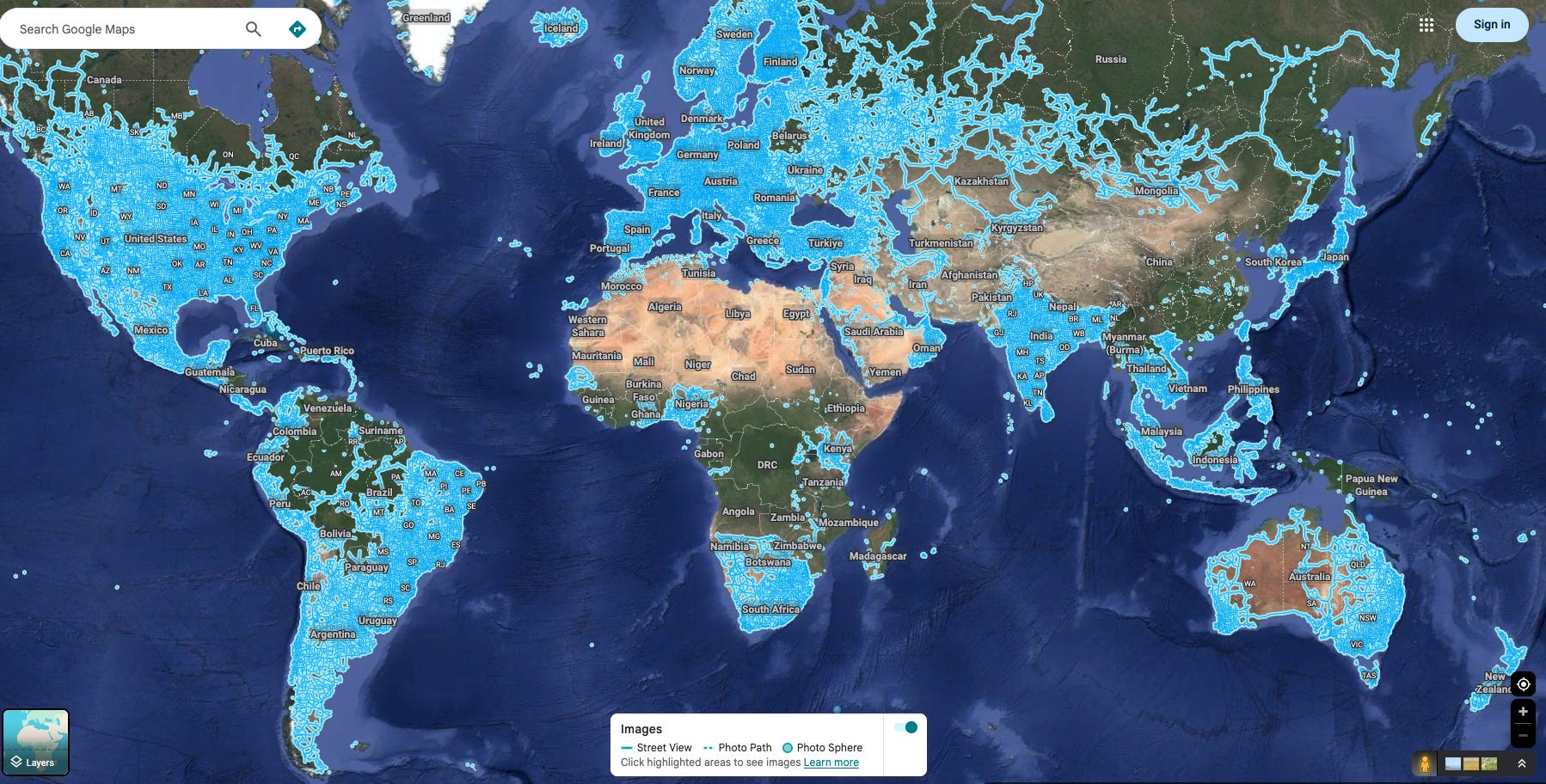
NOTE: It’s been a while since I’ve used Google Street View, but I did so recently and was rather surprised by just how many roads and places in the world have been photoed. Granted, there are large swaths that haven’t been, but still, even in the most remote places—like the Sahara desert, the Amazon, Pacific Islands, Antarctica, you name it—there are pictures. Yes, even North Korea (though they do suspiciously all have pictures of Kim Jong Un or his father…). Below is a global view of where Google Street View has photos, but even in remote parts if you zoom in you’ll find photos. So, if you’re looking to vacay in a place (if even for a few minutes at work), you can do it cheaply via Google Street View.
Some places I recommend checking out:
Petra (The Treasury)
Angkor Wat, Cambodia
Moscow, Russia
Mt Everest
Kilimanjaro
Areas where you won’t find Google Street View: Laos, most of North Korea, most of China, and much of the Sahara…namely because it’s a desert (though some places have been added!)
Interesting Reads
NOTE: The following are two long reads, both of which are related to the CIA and are rather fascinating.
14. How the CIA smuggled Orwell and Le Carré into the eastern bloc (Economist)
For three decades before the fall of the Berlin Wall, the CIA secretly smuggled 10 million books into the Soviet-dominated eastern bloc—titles ranging from 1984 to John le Carré novels to writing guides by Virginia Woolf. The operation, led by George Minden, aimed to bypass communist censorship and promote “free, honest thinking” in societies where printing was tightly controlled, dissident literature was banned, and even typewriters required registration.
The agency supplied not only books but also printing materials to underground networks, especially in Poland, where smuggled ink, typesetters, and photocopiers enabled dissidents to reproduce forbidden texts and publish independent newspapers. Dissidents later credited these illicit books as vital to sustaining morale and resisting authoritarianism.
Long overlooked, the program is now being recognized—thanks to a new book, The CIA Book Club: The Secret Mission to Win the Cold War with Forbidden Literature, by Charlie English—as one of the most unusual and culturally sophisticated intelligence operations of the Cold War.
NOTE: Today, instead of books, we now engage in information warfare through videos and posts on social media.
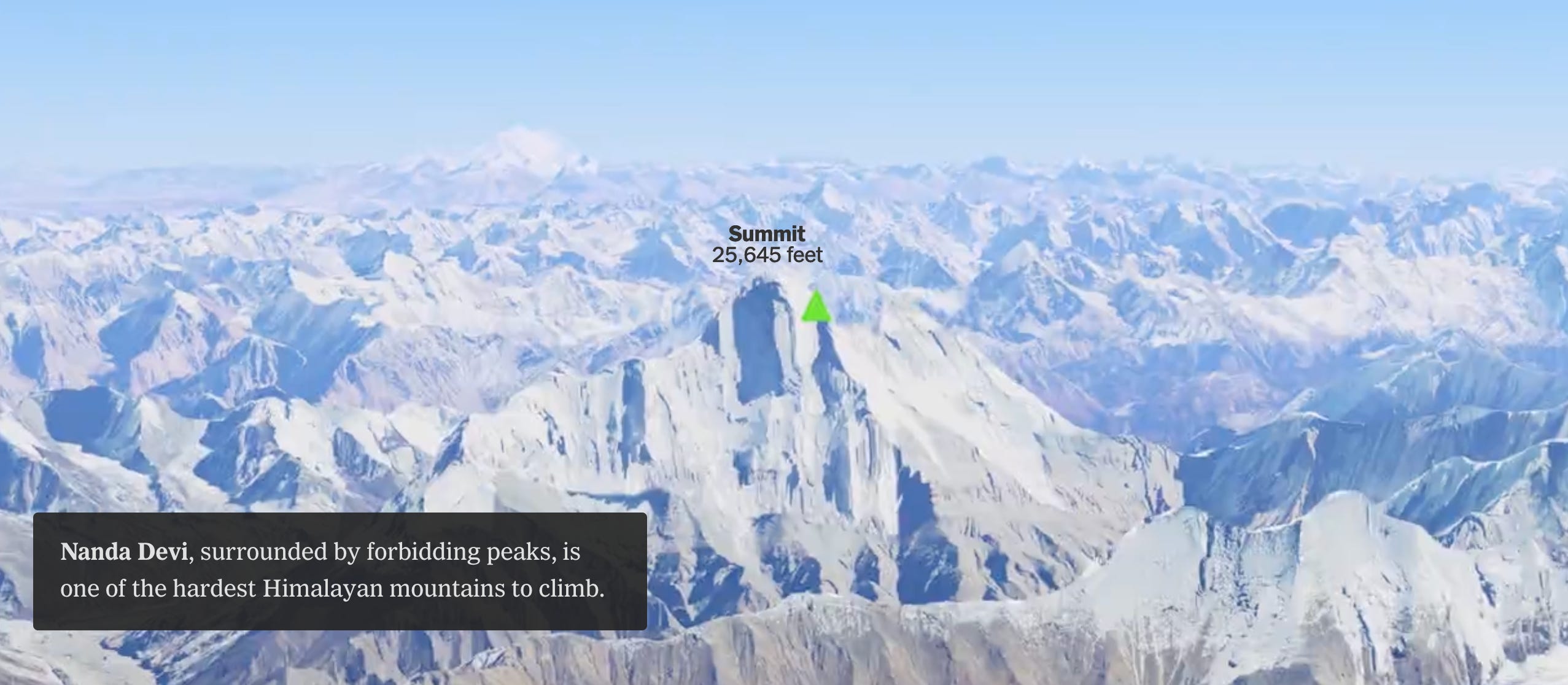
15. How Did the C.I.A. Lose a Nuclear Device? (NYT)
A plutonium-packed generator disappeared on one of the world’s highest mountains in a hush-hush mission the U.S. still won’t talk about.
BONUS: Bad Charts & Information
NOTE: Here are two items here that I came across this week that bugged me.
Home Affordability Remains Strained Nationwide, with Modest Fourth Quarter Improvement
NOTE: I get regular updates from ATTOM on the state of housing in the US and I’ve written to them before about their charts—namely that they just don’t make sense as presented. It appears my advice has gone unheeded. Lots of things bother me about the chart below.

The first and most minor issue is that here are simply way too many circles to make the snapshot useful. However, this image is just that, a snapshot of an interactive image; when you go to the Tableau widget on their website, you can zoom and hover over cities. So, I’ll forgive them for that issue.
The more egregious items are the scale, colors and title: “Q4 2025 Affordability Index* (Under 100 is Less Affordable Than Historic Average)
The scale goes from 57 to 124. Why those two numbers? Because they represent the highest and lowest affordability numbers. Not intuitive, but OK. Perhaps they could’ve normalized the scale on a 1 to 100, but they didn’t.
Next, “100 is less affordable than historic average”. So, I ask you, where is 100 on that chart? Is it the tick mark in the middle? I would assume so, since we’re talking about “less..than..average”. So, quick math: 124 minus 57 equals 67; half of 67 is 33.5. When we add 33.5 to 57 we get 90.4. Wait, what? So where is 90.4? Maybe it’s everything left of the orange block? So, quick math: 67 divided by 5 (sections) equals 13.4; the dividing lines between each section would then be: 57, 70.4, 83.8, 97.2, 110.6, 124. Nope, 100 isn’t there either. So, who knows where 100 is on that chart.
Lastly, the colors. The colors! Give me a break, man. I think most people, at least Americans, think in stoplight colors—green, yellow, red, with red being bad. In this chart, red is actually good—it represents those areas well over 100—meaning they are more affordable than average.
Which country has the lengthiest coastline along the Gulf of America (Mexico)?
NOTE: I was doing some research on the Gulf of America (formerly known as Gulf of Mexico) relating to which country had the longest coastline along the gulf. I did a quick google search, and one of the top results was this site:
https://travelasker.com/which-country-has-the-lengthiest-gulf-of-mexico-coastline/
The results, according to the website, of countries with the longest coastline along the Gulf of America:
Honduras
Belize
US
Mexico
Cuba
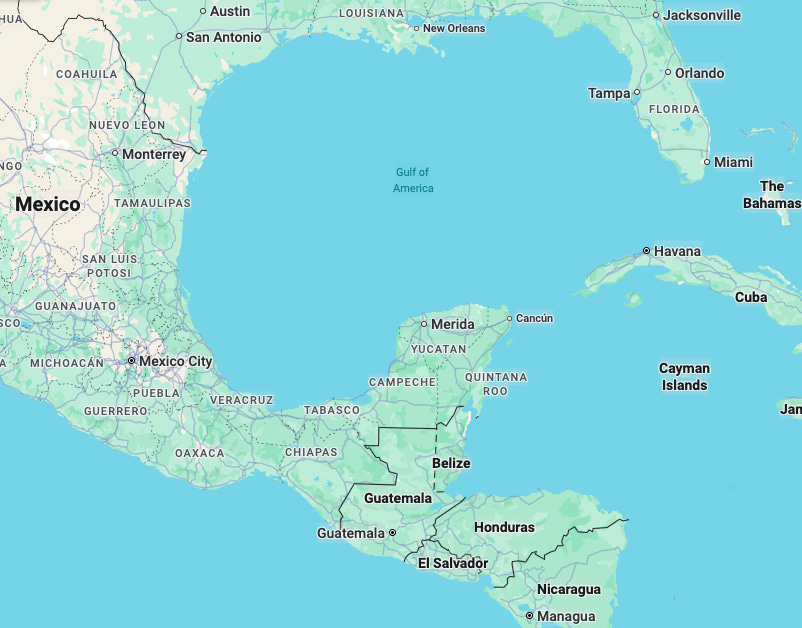
This had me scratching my head, as to my knowledge, neither Honduras nor Belize even border the Gulf (see map below). And, even if you were to make an argument to me that they did, they don’t have nearly the same length of coastline that the Mexico or the US have.
I’m not sure if this is just another example of AI slop being thrown into webpages, or just poor research. The bottom line here is you need to check multiple sources—don’t just trust the first page you read on the internet, or the AI-provided answers you receive.