International
1. Switzerland Rejects Measure to Cap Its Population at 10 Million
Swiss voters rejected a national referendum that would have capped the country’s population at 10 million, a proposal aimed largely at limiting immigration. The measure failed by about 55% to 45%, with strongest support in rural areas and strongest opposition in cities and border regions. Its defeat preserves Switzerland’s current approach to immigration and avoids a potential confrontation with the European Union over free movement agreements.
Supporters of the cap argued that rapid population growth is straining housing, traffic, affordability, infrastructure, and environmental sustainability. Switzerland’s population has grown to about 9.1 million, up more than 25% this century, largely because of immigration from other European countries. Opponents warned that the cap would damage the economy by restricting skilled workers, entrepreneurs, engineers, nurses, and other labor the country needs as its workforce ages.
2. Hundreds of Billions in Loans Didn’t Make a Dent in Global Poverty
Microfinance was originally promoted as a market-based way to fight poverty by giving small loans to poor entrepreneurs who lacked access to traditional banks. Muhammad Yunus’s early work in Bangladesh helped turn the idea into a global movement, backed by development agencies, nonprofits, celebrities, and later major banks and investors. But decades later, the evidence is much weaker than the promise. Randomized studies have generally found that microfinance does not significantly improve most borrowers’ incomes, and in several countries rapid lending growth has contributed to repayment crises.
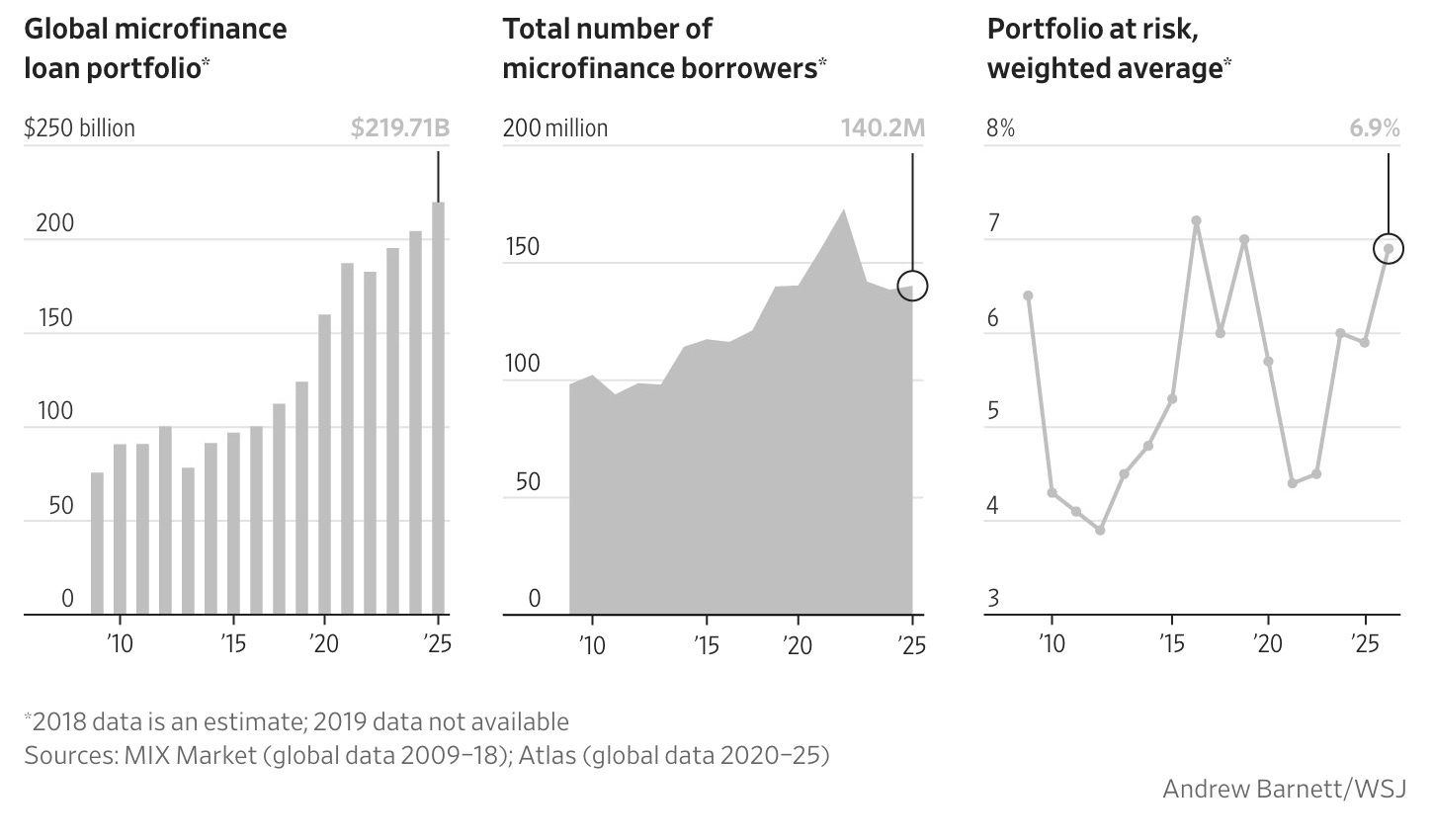
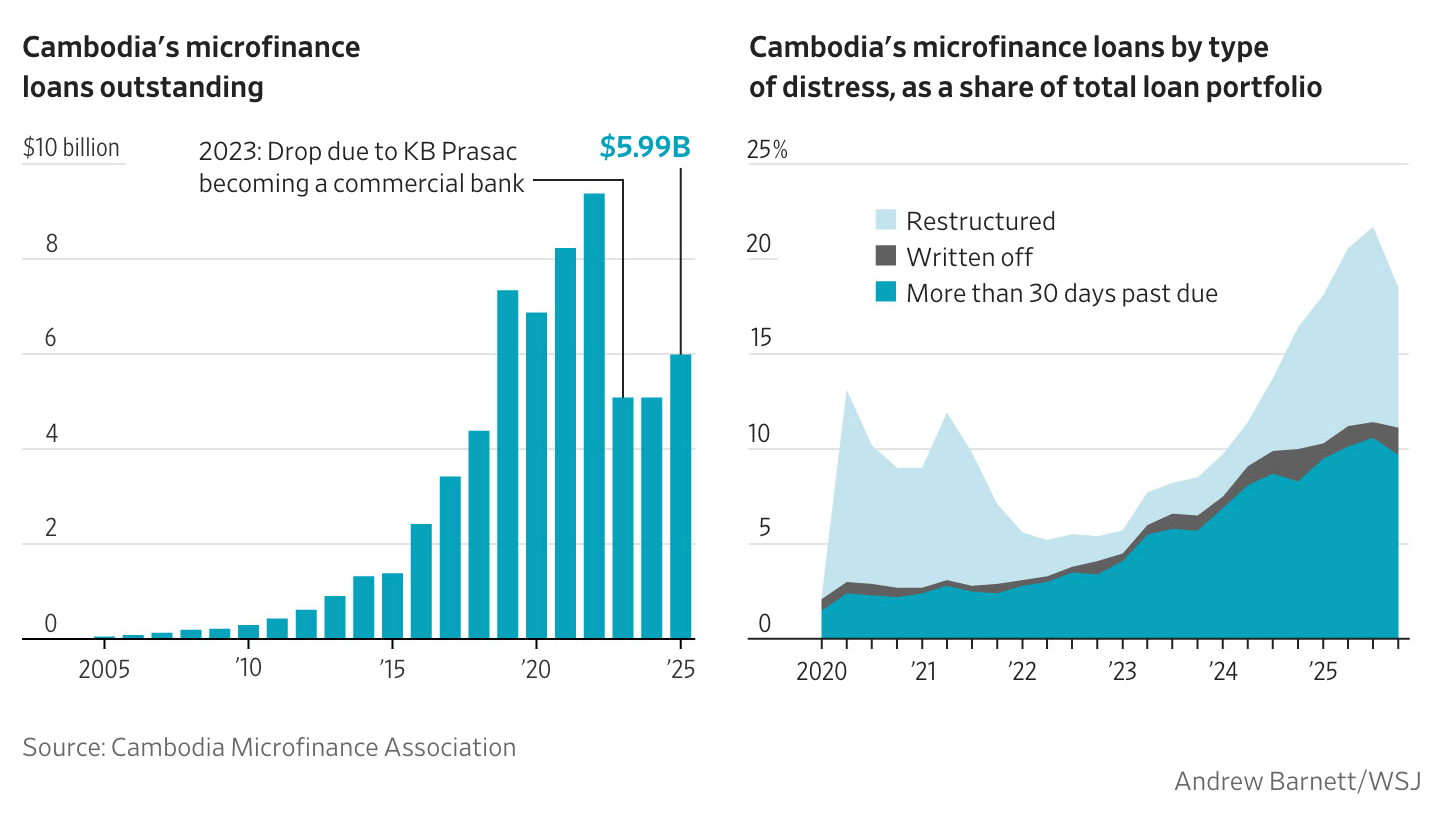
The industry has also changed dramatically. What began as small, affordable loans has become a $219.7 billion global business serving more than 140 million borrowers, with average loan sizes rising and some interest rates reaching extremely high levels. In places such as Cambodia, India, and Mexico, borrowers have faced heavy debt burdens, pressure from loan officers, land-secured loans, restructuring cycles, and in some cases homelessness, child labor, reduced food consumption, and suicide. Cambodia is presented as a severe example, where many poor families owe debts far larger than their annual income and risk losing land used as collateral.
3. Everyone Loves Chinese Cars, Except the Chinese
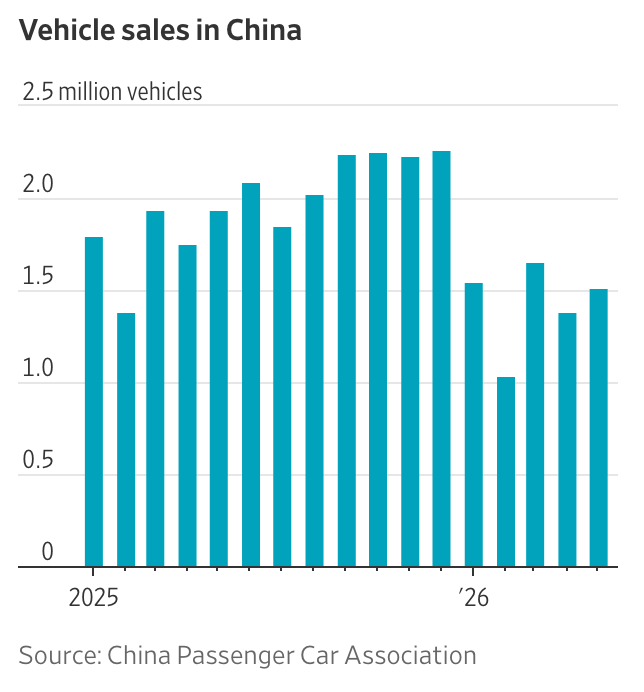
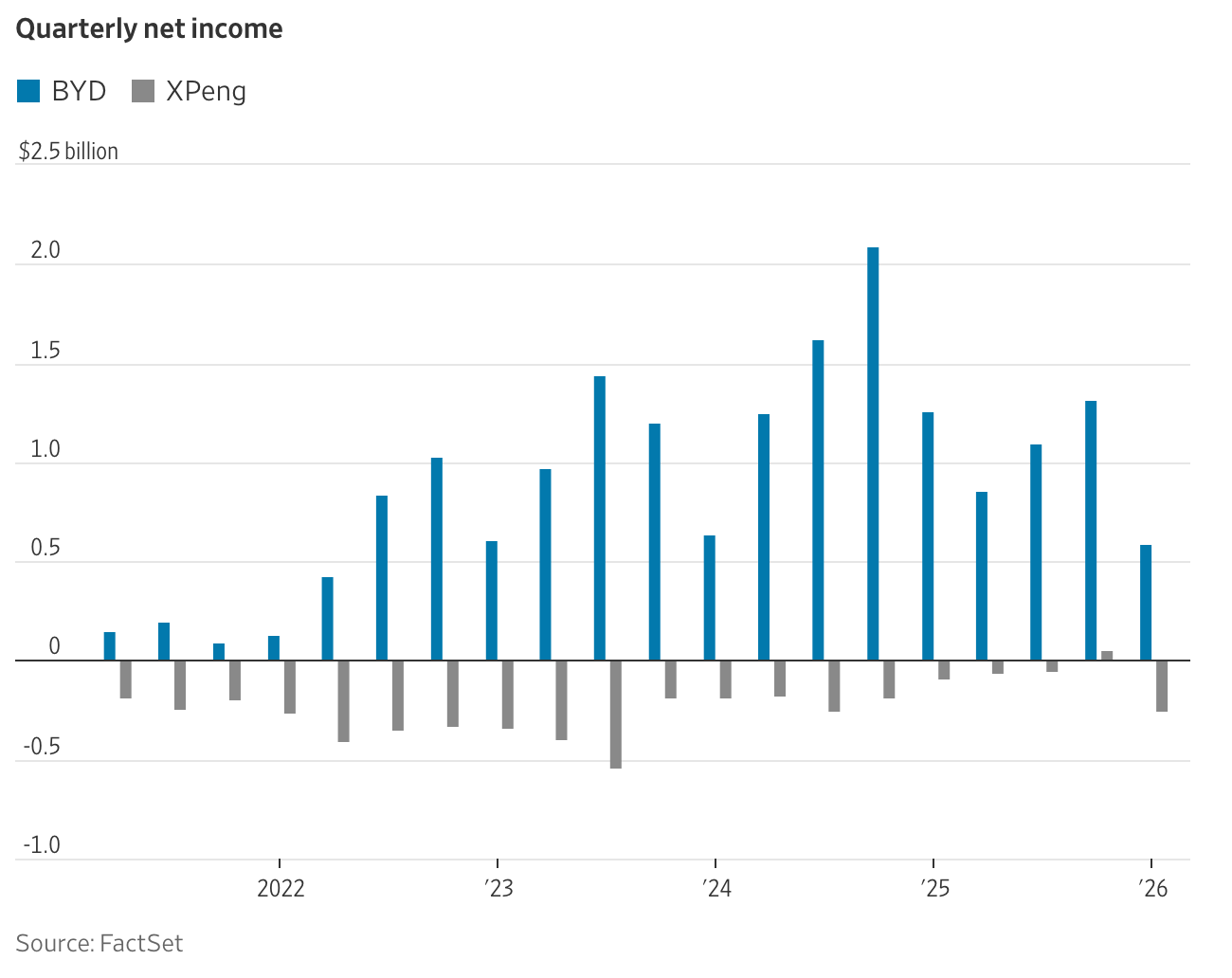
Chinese automakers are gaining momentum overseas, but their home market is weakening sharply. New-car sales in China fell 22% in May from a year earlier, marking the eighth straight monthly decline, while year-to-date sales are nearly 20% lower. The slowdown is being driven by reduced EV tax benefits and trade-in subsidies, higher gasoline prices after the Iran war, weak consumer confidence, deflation, and high youth unemployment. Even major players like BYD are seeing profits squeezed, while smaller EV makers such as XPeng continue to struggle in an overcrowded market.
The domestic slump is pushing Chinese carmakers to expand more aggressively abroad. China exported 784,000 vehicles in May, up 75% from the year before, as companies look for growth outside their saturated home market. BYD is shifting from price cuts toward technology and quality claims, including faster charging, long battery warranties, and accident-cost coverage tied to its driver-assistance system. Its founder has said the company aims to become the world’s largest automaker within five years.
The export surge is creating geopolitical and trade tension. The U.S. has largely blocked Chinese cars through tariffs and restrictions, and the Pentagon recently added BYD and NIO to a list of companies it says have links to China’s military, which both firms deny. Other countries are also becoming wary of the flood of Chinese vehicles, prompting Chinese automakers to pursue factories, partnerships, and joint ventures abroad, especially in Europe, to keep expanding despite trade barriers.
Economy
4. You Have No Idea What a Trillion Dollars Is—and We Have Proof
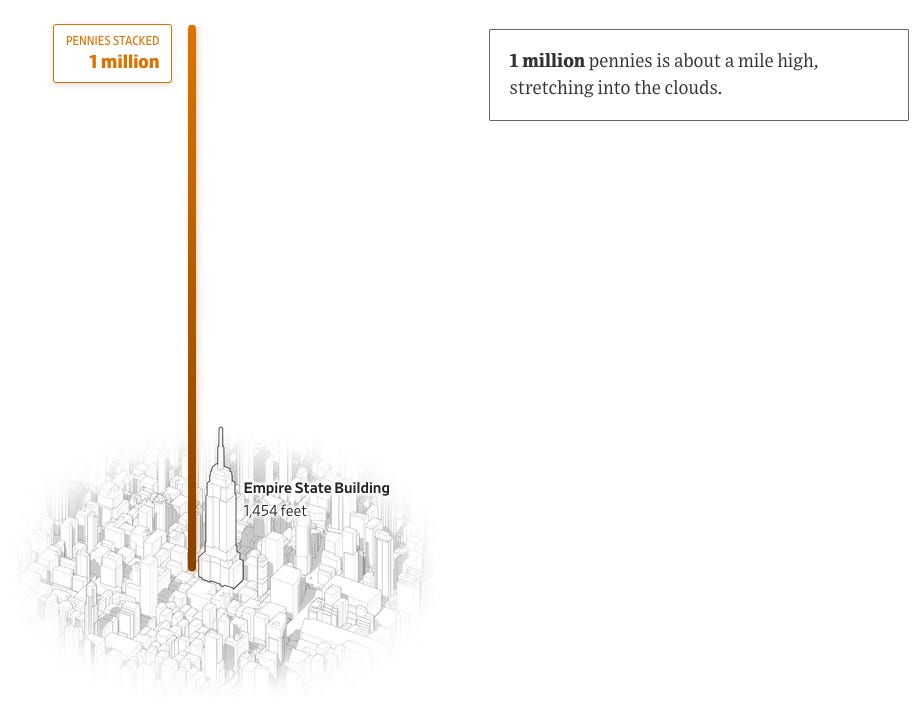
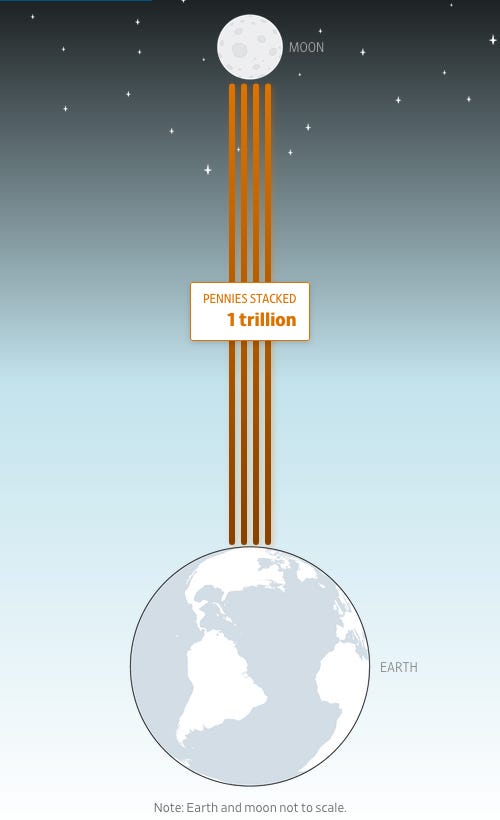
Elon Musk became the world’s first trillionaire after the stock market debut of his company SpaceX, with his net worth reaching approximately $1.11 trillion. How much is a trillion of something? Although million, billion, and trillion sound like evenly spaced steps, they are not. A billion is much closer to a million than to a trillion, and most people intuitively underestimate the gap: a million seconds is about two weeks, a billion seconds reaches back to 1994, and a trillion seconds reaches back to the Ice Age. A visual comparison helps show the difference: a stack of one million pennies would be about a mile high, one billion pennies would stretch nearly 1,000 miles, and one trillion pennies would reach to the moon and back twice.
Artificial Intelligence
5. AI Supercharges Deepfake Nudes—Unleashing a New Form of Bullying Among Kids
AI-powered “nudify” tools are making it easy for people, including teenagers, to create fake explicit images of classmates, teachers, and strangers from a single photo. These explicit deepfakes are becoming a new form of harassment and bullying, while schools, parents, police, and lawmakers struggle to keep up. Victims often face humiliation, threats, and the burden of trying to remove images from the internet, while perpetrators may face limited or inconsistent consequences, especially when they are minors.
The problem has grown quickly because the technology is cheap, accessible, and widely promoted through apps, websites, and social media. A survey cited in the article found that more than half of U.S. teens surveyed had created at least one nudified image, and one-third said someone had created and shared a nude image of them without permission. App-store investigations found more than 100 nudification apps with hundreds of millions of downloads, even as Apple and Google say they are removing or restricting such tools.
New laws such as the federal Take It Down Act criminalize publishing or threatening to publish nonconsensual intimate images, including AI-generated ones, and require platforms to remove reported content quickly. But enforcement remains uneven, and victims say the burden still falls heavily on them. The danger now extends beyond celebrity deepfakes: anyone with an image or voice online can be targeted, making explicit AI deepfakes a widespread safety, legal, and cultural problem.
6. AI Deepfakes Are Getting Weirder and Harder to Spot in the Midterms
Political campaigns are increasingly using AI-generated images and videos in ads and social media posts to promote candidates, mock opponents, and spread attacks, raising concerns that deepfakes could mislead voters during the midterm elections. Recent examples include fake or exaggerated depictions of candidates such as James Talarico, Mike Rogers, Spencer Pratt, Peggy Flanagan, and Graham Platner, sometimes with small disclaimers and sometimes in ways that blur the line between parody, attack ads, and misinformation.
The rapid improvement of free AI tools, weaker content moderation on social platforms, and voters’ tendency to believe content that confirms their existing views have created a “perfect storm” for political disinformation. Although about 30 states have laws against election-related deepfakes, experts say enforcement is difficult because of free speech protections and because calling out false content can spread it further.

Health
7. Insurers aren’t the main villain of the U.S. health care system
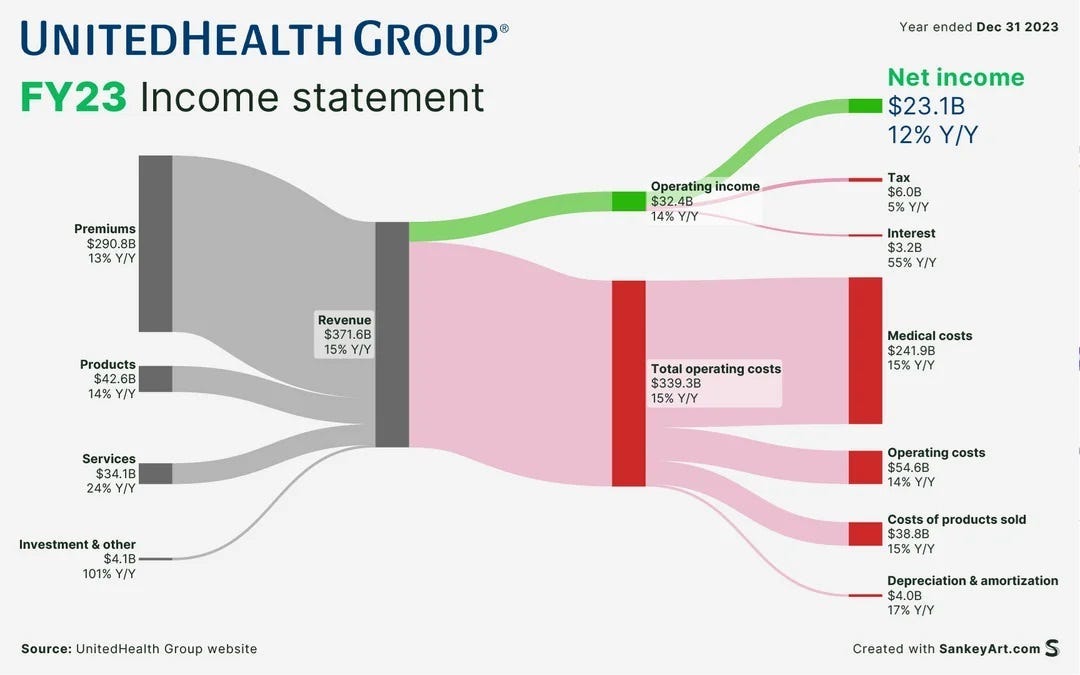
Noah Smith argues that health insurers are widely hated, but they are not the main reason U.S. healthcare is so expensive. Smith says private insurers may be inefficient or even unnecessary, but their low profit margins show they are not extracting the bulk of money from the system. If insurers keep roughly $10 to $15 of every $100 in premiums but earn little profit, most of that money is going toward administrative and operating costs rather than shareholder enrichment.
According to Smith, the problem is the high cost of healthcare provision itself. Hospitals, doctors, drug companies, medical suppliers, and other providers account for most of the excess spending compared with other wealthy countries. Insurers become the visible villain because they deny claims, enforce networks, and send patients bills, while providers deliver care without discussing the full price upfront. In that sense, insurers act as “sin-eaters” for the broader system--they absorb public anger while the higher prices charged by providers receive less attention.
Smith concludes that reforms focused mainly on punishing insurers will not make healthcare much cheaper. A more effective path would be reducing prices within the medical system itself, such as through stronger government negotiation with providers and drug companies, more competition, or other cost-control measures.
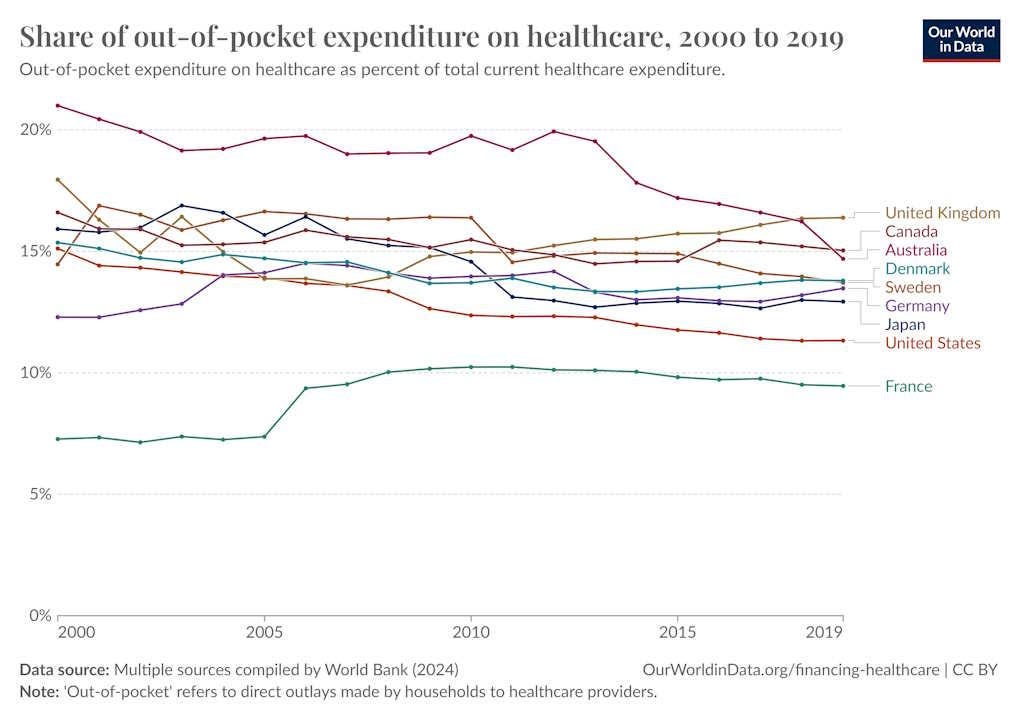
NOTE: Charts below from article show 1) how little UnitedHealth Group made in income as a percent of total revenue (12%), and 2) how Americans actually pay less out of pocket costs (at least through 2019) than other select countries.
8. Is the iPhone Birth Control? Causal Evidence from AT&T’s 2007–2011 Carrier Monopoly
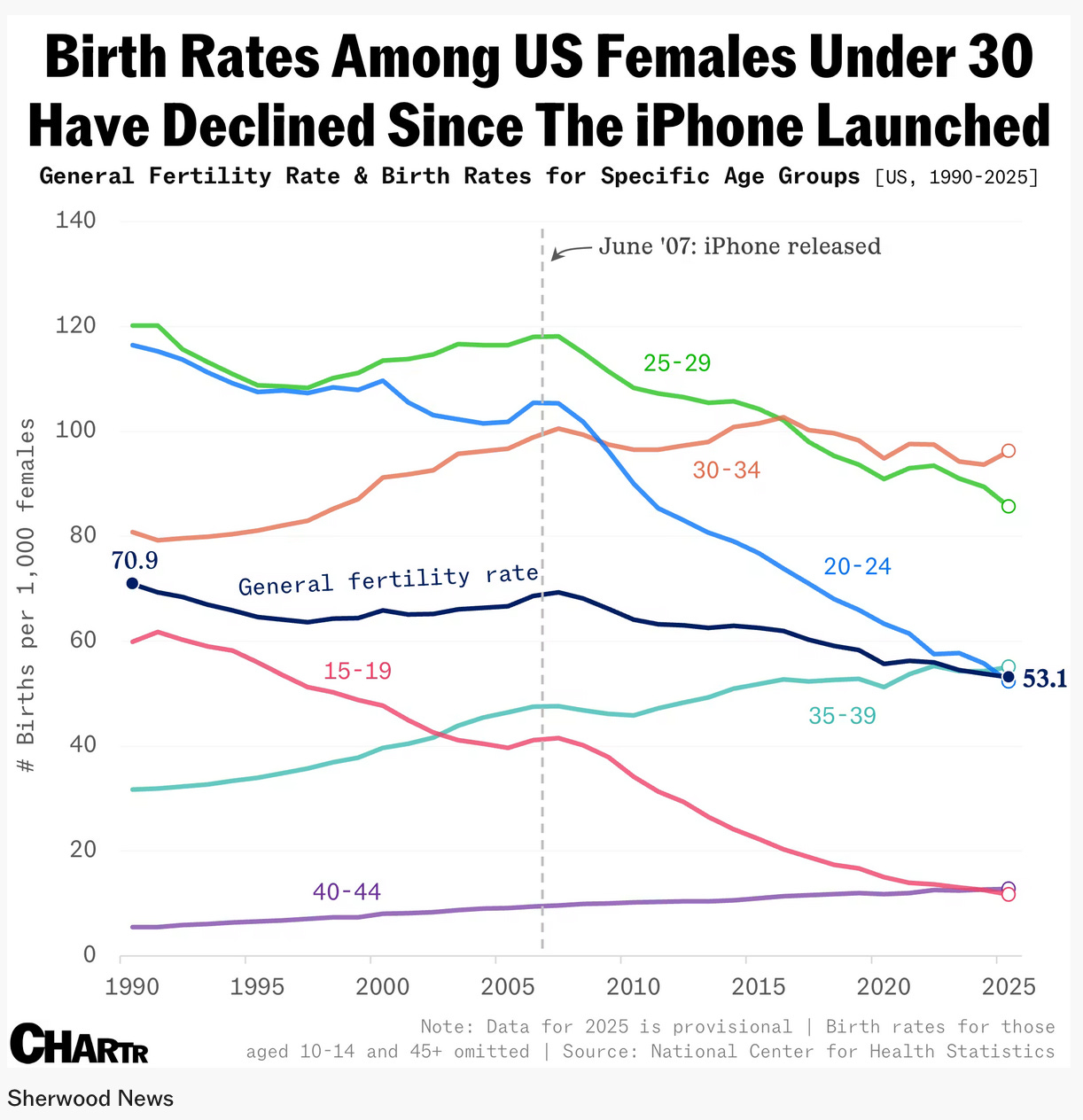
The study found that the U.S. fertility decline may be partly tied to the spread of smartphones, especially the iPhone. Since 2007, the U.S. general fertility rate has fallen by 22%, and the authors say common explanations such as the economy, contraception, housing, and childcare costs do not fully account for the drop. Because the iPhone was initially available only through AT&T, the researchers use differences in AT&T mobile broadband coverage as a natural experiment to estimate the device’s effect.
Their analysis finds that access to the iPhone was associated with sizable birth declines among younger women, especially ages 15–19 and 20–24, with smaller but still significant effects among older groups. Overall, the authors estimate that iPhone diffusion may explain roughly one-third to one-half of the fertility decline among women ages 15–44. Survey evidence suggests a possible mechanism: smartphones reduced in-person interaction, increased pornography use, and lowered sexual frequency, all of which may have contributed to fewer births.
NOTE: To clarify, it’s not the electronic emissions from the smartphone that had the impact on birthrates, rather the constant access to and use of the smartphone and its apps.
9. UK bans under-16s from using social media apps including TikTok and YouTube
Britain plans to ban children under 16 from using major social media platforms, including TikTok, Snapchat, YouTube, Instagram, Facebook and X, beginning early next year. Prime Minister Keir Starmer said the move is meant to protect children from harmful content, excessive screen time and online contact from strangers. The U.K. would follow Australia’s model, placing enforcement responsibility on tech companies rather than children and threatening platforms with large fines if they fail to take reasonable steps to keep under-16s off their services.
Supporters say the ban is overdue because tech companies have not done enough to protect children, especially from harmful algorithms, online challenges, sexualized content and predatory contact. The government is also considering related measures, including limits on strangers contacting children through gaming and livestreaming platforms, restrictions on romantic or sexual AI chatbots for minors, overnight curfews and breaks in infinite scrolling for users under 18.
Critics argue that a blanket ban may be difficult to enforce and could push young people into less regulated online spaces. YouTube and Meta warned that children might lose access to supervised, age-appropriate online communities while migrating to riskier platforms. Others say the proposal focuses too much on age verification and not enough on the deeper problem of harmful algorithms and content design. The plan could also create tension with the U.S., which has raised concerns about free speech and burdens on American tech companies.
Entertainment
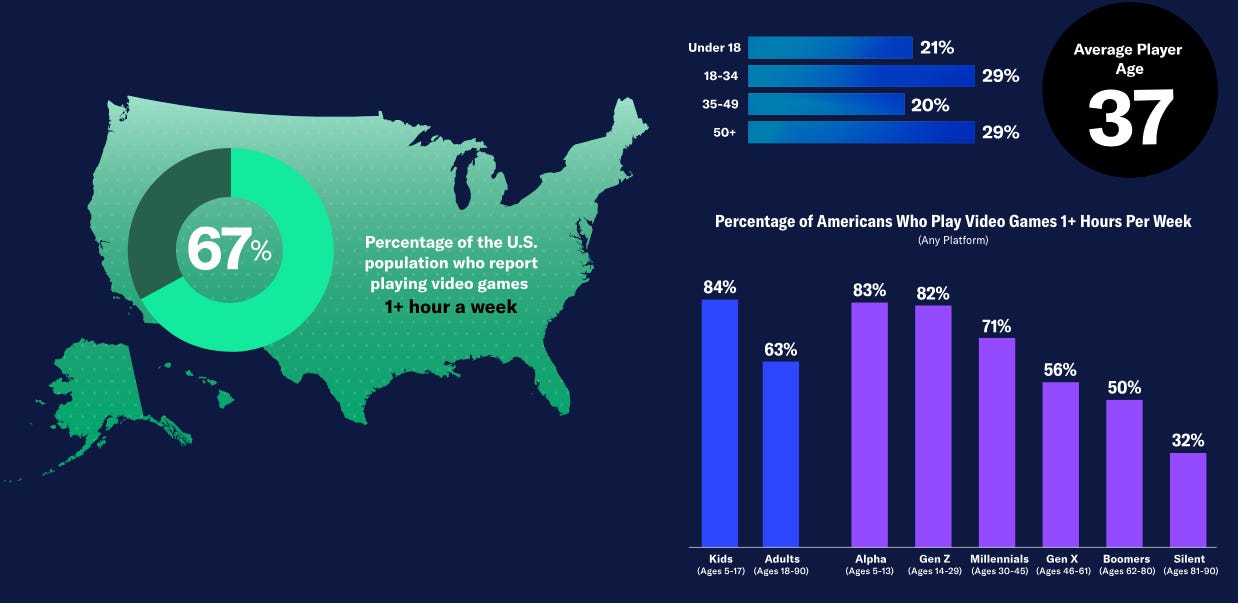
10. Two-Thirds of Americans Play Video Games Every Week According to New Report from the Entertainment Software Association
Video games have become a mainstream part of American life, with 67% of Americans ages 5 to 90 playing at least one hour per week. The average player is now 37 years old, showing that gaming is no longer just a youth activity. More than 212 million Americans play weekly, with participation spread across gender, age, employment status, and family life. Younger generations still play at the highest rates, but majorities of Millennials, Gen X, and Boomers also play, along with nearly a third of the silent generation.
Mobile gaming remains the most popular platform across all ages, while consoles and PCs are especially common among younger players. Puzzle games dominate mobile and PC play, while action, shooter, and arcade games lead on consoles. Players also see video games as a strong value compared with other entertainment options. Many younger players buy in-game content, usually spending around $20 a month, and most parents who allow in-game purchases require approval first.
11. What Americans think about board games
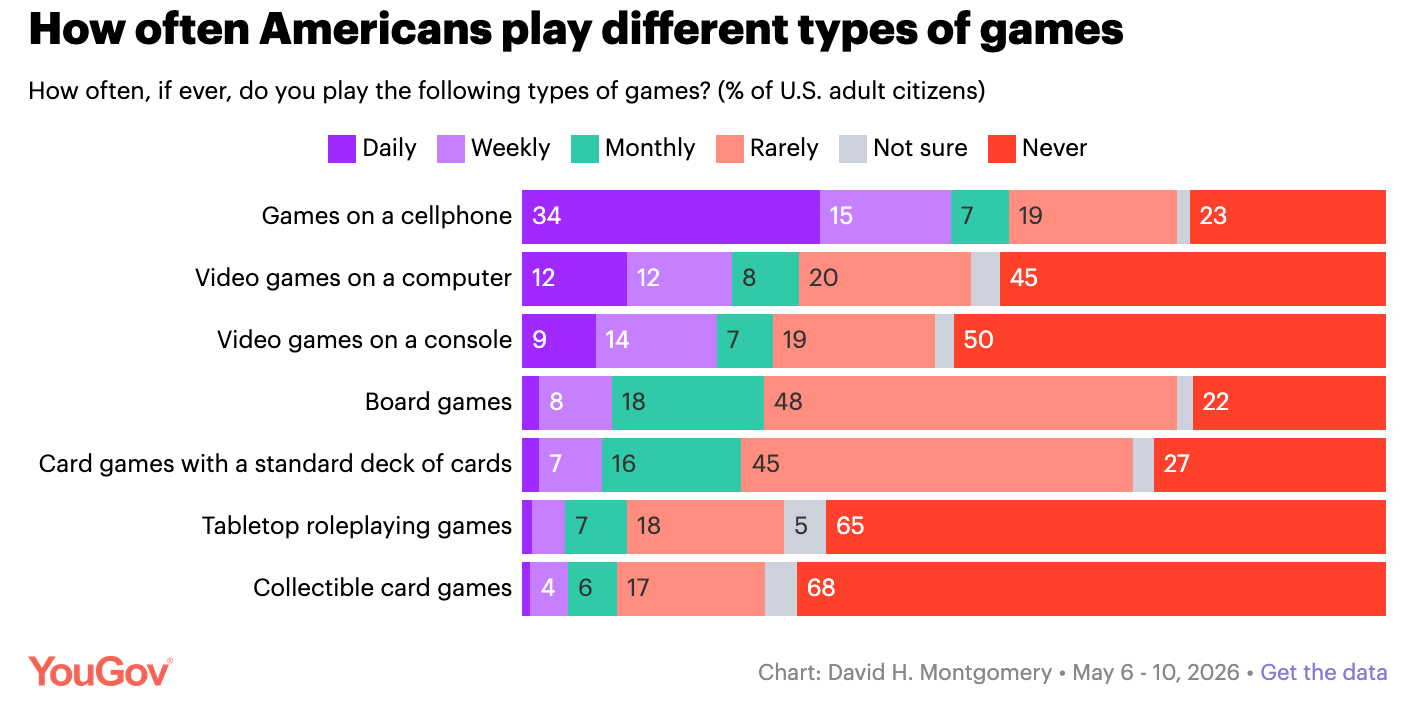
A YouGov poll of 1,131 U.S. adult citizens finds that most Americans have a positive view of board games, with 21% saying they love them and 44% saying they like them. Younger adults are the most enthusiastic, while older adults are less likely to say they love board games. Nearly half of Americans say they rarely play board games, 22% never play, and only 28% play at least monthly.
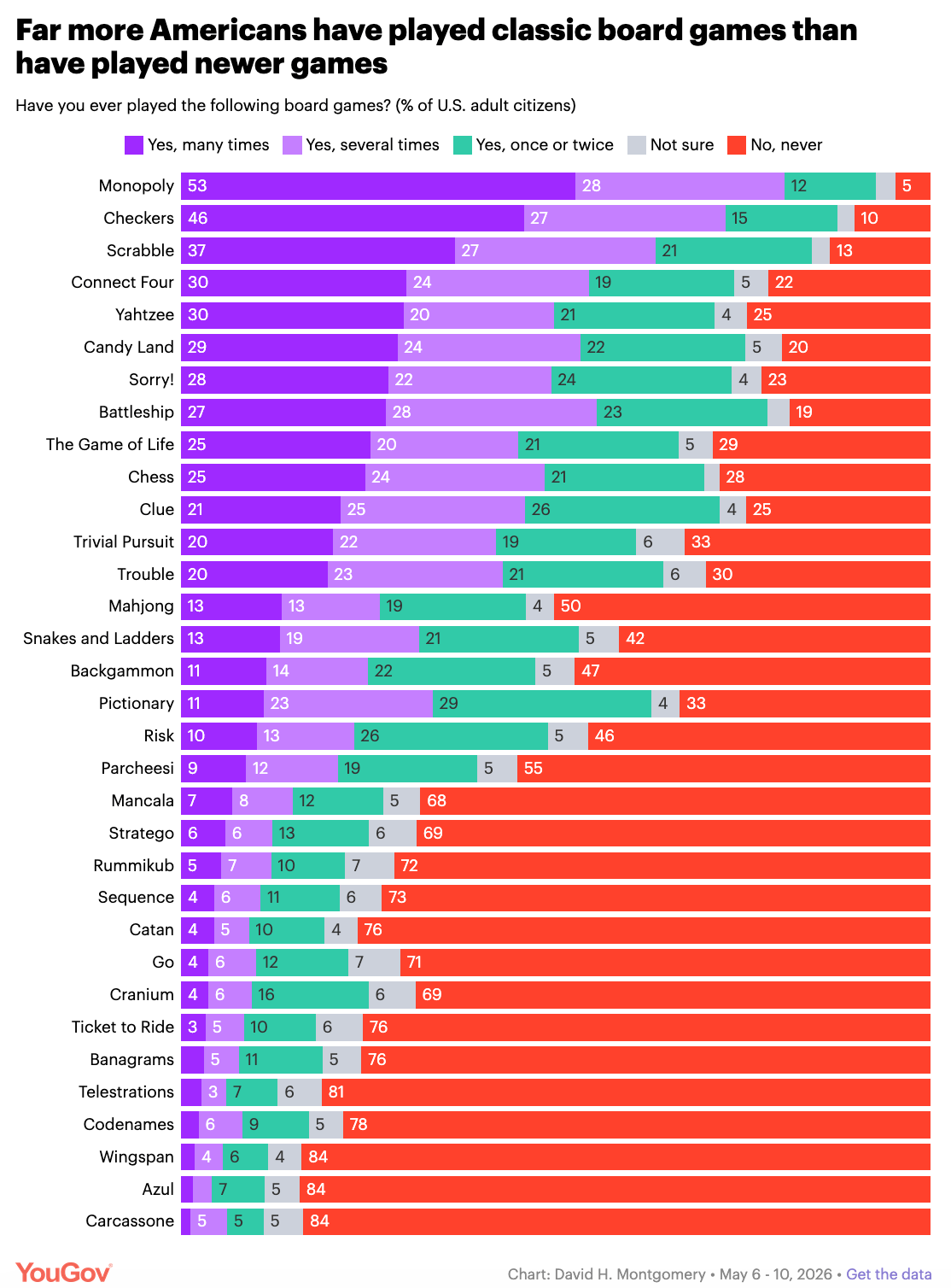
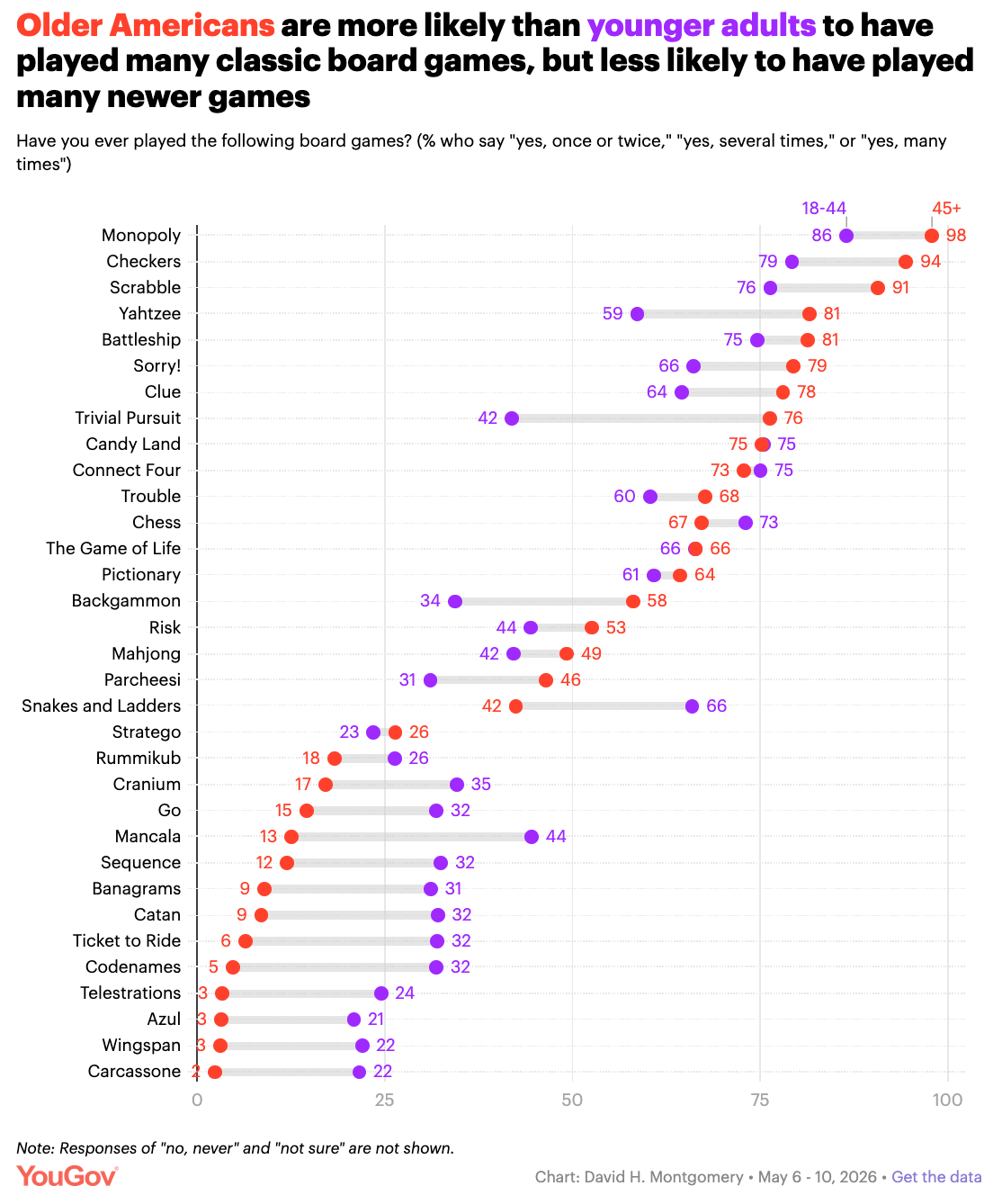
Board games remain more broadly familiar than many other tabletop formats, though they trail mobile games in frequency of play. Monopoly is by far the most widely played game, followed by classics such as checkers, Scrabble, Connect Four, and Yahtzee. Modern games like Catan, Ticket to Ride, Carcassonne, and Wingspan are much less familiar to the general public, though younger adults are more likely than older adults to have played newer games such as Catan, Bananagrams, Cranium, and Wingspan.